Blog

How to Choose Laboratory Stainless Steel Furniture in 2026
Choosing Laboratory stainless steel furniture in 2026 means balancing hygiene, durability, safety, and cost—not simply choosing the shiniest workbench. Laboratory furniture market analyses from Grand View Research and Research and Markets track continued demand for adaptable, durable laboratory environments. These reports offer useful market context, but they cannot tell you whether a specific sink, cabinet, or bench suits your workflow.
Details matter. Check the steel grade, sheet thickness, weld quality, and finish. A smooth, properly finished surface is easier to clean; weak joints and poorly sealed edges can collect residue. Ask suppliers for material specifications, load ratings, cleaning guidance, and warranty terms. Then compare them with your actual work: corrosive reagents, heavy instruments, wet procedures, or frequent equipment changes. A crowded bench is a warning.
Safety educator Dr. James A. Kaufman, founder of the Laboratory Safety Institute, is associated with the reminder, “Safety is no accident.” That principle applies to furniture selection, too. Consider stable construction, accessible storage, rounded edges, and compatibility with your cleaning routine. Check relevant project requirements and applicable standards before ordering; a product description alone is not proof of compliance. In 2026, customization may help, but it can also complicate replacement parts and maintenance. That trade-off deserves a second look. The right choice is the one your team can clean, inspect, and use reliably—not merely the one that looks convincing in a catalog.
Read more »
 By:Amelia
- November 13, 2026
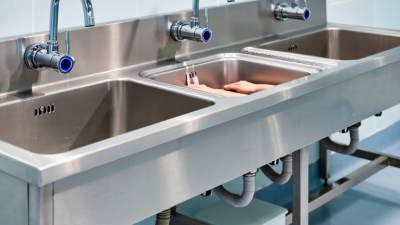
2026 Best Medical Scrub Sinks for Hospitals
A hospital scrub sink is more than a basin. It is a working part of the clinical environment, where reach, splash control, and cleaning access can affect daily routines. Medical scrub sinks should support consistent hand and forearm scrubbing without crowding staff or disrupting nearby tasks. Small details matter. A faucet that is awkward to operate, a poorly placed splashback, or a hard-to-clean edge can become a daily frustration.
This guide to the 2026 best medical scrub sinks for hospitals compares practical features, including basin layout, materials, hands-free controls, drainage, and installation needs. The right choice depends on the space and workflow. A busy operating department may need a different configuration from a smaller procedure room. Product claims also deserve a close look; impressive specifications do not always translate into easier maintenance or better staff experience.
A useful design principle is: “A scrub sink should support the workflow, not interrupt it.” I can’t responsibly attribute that wording to a named industry expert without a verifiable source. That gap matters. Before purchase, confirm dimensions, cleaning requirements, and compatibility with the facility’s design plans. Talk with the people who will use and maintain the sink. Their feedback may reveal an overlooked issue, even after a careful specification review.
Read more »
By:Amelia
- November 8, 2026

How to Choose the Best Patient Transport Carts in 2026
Moving a patient through a hospital is rarely a simple trip. A narrow doorway, a crowded lift, or a loose cable can change the experience. Patient transport carts help staff move people between wards, imaging rooms, emergency departments, and procedure areas. Yet the best model is not always the newest or most expensive. It needs to suit your routes, patient needs, cleaning routines, and storage space.
Small details matter. Wheel locks should engage reliably, handles should feel secure, and side rails should suit the cart’s intended use. Check rated load limits, mattress dimensions, height adjustment, maneuverability, and compatibility with required accessories. Don’t rely on product photos alone. Ask clinical and transport staff to test carts on the corridors, ramps, and lifts they use every day. A cart that turns easily in a showroom may feel different in a busy ward.
This 2026 guide explains how to compare practical features, safety considerations, maintenance support, and total ownership costs. Review manufacturer specifications and consult your facility’s clinical and biomedical teams before making a decision. Also ask about replacement parts, warranty coverage, and approved cleaning methods. No cart is perfect. Even a careful checklist can miss a daily frustration, such as a brake pedal that staff struggle to reach. A short, realistic trial can reveal those issues before purchase. The right choice should support patients and staff throughout routine transfers—not just look impressive on paper.
Read more »
By:Amelia
- November 3, 2026

7 Tips for Choosing Hospital Storage Systems
Hospital storage decisions shape more than room appearance. They affect how quickly staff find supplies, how safely carts move, and whether clean stock stays protected. The American Hospital Association’s 2024 Fast Facts reports 6,120 U.S. hospitals and 919,649 staffed beds. That scale highlights why storage choices need to fit real workflows, not just floor plans.
Don Berwick, MD, a respected healthcare quality expert, is often associated with this systems-design maxim: “Every system is perfectly designed to get the results it gets.” Applied to Hospital storage systems, the idea is practical: shelf heights, bin labels, access controls, and replenishment routines all influence daily work. A nurse reaching for a dressing should not have to move three boxes or guess which label is current. Small friction adds up.
The right system depends on the items stored, the people using it, and the space available. Measure frequently used supplies, check load ratings, and consider cleaning access before selecting shelving or cabinets. Ask staff to test a proposed layout with actual carts and containers. A tidy mock-up can still fail during a busy shift. That is worth admitting early. The following seven tips offer a structured way to compare capacity, safety, accessibility, flexibility, inventory visibility, durability, and total cost. Use them as decision prompts, then validate the final plan against local workflows and facility requirements.
Read more »
 By:Charlotte
- October 29, 2026
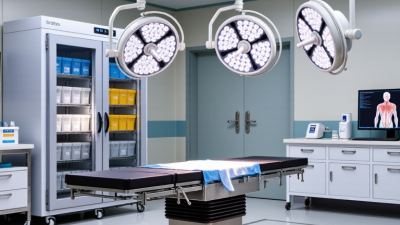
What Is the Best Forensic Medicine Equipment in 2026?
Choosing the best forensic medicine equipment in 2026 requires more than comparing prices or impressive specifications. Reliable practice depends on accuracy, safety, usability, and documented performance. A bright examination light, calibrated digital scale, secure imaging system, and temperature-monitored storage unit can each influence the quality of medical findings. Small errors spread.
This guide examines equipment used in forensic examination, documentation, sampling, and controlled evidence storage. It focuses on tools that support trained professionals without replacing clinical judgment. Manufacturers should provide calibration records, maintenance instructions, cybersecurity information, and clear user training. Independent testing and recognized quality systems also matter, especially when results may be reviewed by courts, hospitals, or professional boards.
Experience often reveals weaknesses that product brochures overlook. A camera may produce excellent images but fail during low-light documentation. A storage cabinet may appear secure but lack reliable alarm records. Even advanced software can create confusion when staff receive limited training. That is why this comparison considers workflow, ergonomic design, data protection, cleaning requirements, service access, and long-term operating costs. Practical details matter.
The phrase “best” is not universal. A small clinic may prioritize portability, while a regional laboratory may need automation and redundant storage. Some recommendations remain open to review because technology, standards, and professional guidance continue to change. Readers should verify current certifications and local requirements before purchasing. Responsible selection protects accuracy, dignity, and public confidence.
Read more »
By:Charlotte
- October 24, 2026

2026 Top Stainless Steel Medical Carts for Global Buyers
Global healthcare buyers are entering 2026 with tighter budgets, higher infection-control expectations, and more demanding workflows. Stainless steel medical carts are gaining attention because they combine corrosion resistance, cleanable surfaces, and structural strength in busy clinical environments. A cart moving through an operating room may face disinfectants, saline splashes, repeated impacts, and constant repositioning. Material choice matters.
The World Health Organization’s Global Patient Safety Report 2024 estimates that around one in ten patients experiences harm in healthcare, with more than half of this harm considered preventable. Equipment design cannot solve every safety problem. It can, however, support safer medication handling, clearer organization, and smoother clinical movement. The WHO Global Patient Safety Action Plan 2021–2030 also emphasizes reliable systems, human factors, and risk reduction. These principles are relevant when comparing drawer layouts, wheel performance, locking systems, and cleanability.
Market forecasts provide useful direction, but they are not perfectly consistent. Grand View Research and Fortune Business Insights both identify continued growth in medical equipment and healthcare logistics markets, driven by hospital expansion, outpatient care, and replacement demand. Their estimates differ because product definitions and regional data vary. Buyers should notice that limitation. A low purchase price may hide weak welds, noisy casters, difficult-to-clean corners, or expensive spare parts.
This 2026 guide evaluates Stainless steel medical carts through practical and procurement-focused criteria. It considers load capacity, stainless-steel grade, surface finishing, ergonomic height, mobility, customization, documentation, and after-sales support. Compliance should be verified against the destination market’s requirements, including applicable ISO quality systems and local medical-device rules. The strongest choice is not always the heaviest cart. It is the cart that remains dependable during real clinical work.
Read more »
By:Amelia
- October 19, 2026
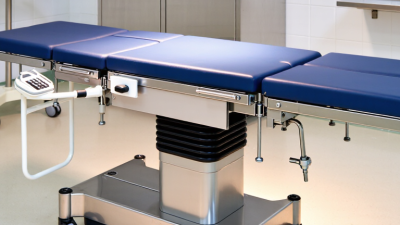
10 Tips for Buying Surgical Examination Tables
Surgical examination tables are not merely platforms for patient positioning. They influence examination quality, clinician posture, cleaning routines, and daily workflow. A suitable table should match the procedures, room dimensions, and patient profile of the facility. Small details matter, including a stable base, smooth height adjustment, and accessible controls. Test it in person whenever possible. A specification sheet cannot reveal every practical weakness.
This guide presents ten useful tips for comparing Surgical examination tables with greater confidence. It considers weight capacity, upholstery, electrical or hydraulic operation, mobility, accessories, and infection-control requirements. Look closely at seams, casters, foot controls, and the space beneath the frame. Those areas often collect debris or create awkward cleaning problems. Check whether the table supports the positions clinicians actually use, rather than only the positions shown in a brochure. Ask about warranty coverage, service response, replacement parts, and training for staff. Reliable documentation is important, but supplier promises still require careful verification. No table is perfect. A quieter motor may increase cost, while a lower-priced model may need more maintenance. That trade-off deserves honest discussion. Feedback from nurses, physicians, and cleaning teams can reveal issues missed during a brief demonstration. A practical choice should support patient dignity, reduce unnecessary movement, and remain dependable through repeated use. Think beyond the purchase date. The best decision balances safety, ergonomics, durability, cleaning efficiency, and long-term ownership value.
Read more »
By:Charlotte
- October 14, 2026

How to Choose Medical Washing Units for Global Buyers?
Choosing Medical washing units for international healthcare facilities requires more than comparing chamber size or purchase price. Buyers must examine cleaning performance, thermal disinfection, documentation, water consumption, and service support. A unit may look efficient in a showroom yet struggle with narrow surgical instruments, mineral-rich water, or unstable electricity.
The World Health Organization reports that healthcare-associated infections remain a serious global safety burden, especially in low- and middle-income settings. WHO also emphasizes reliable water, sanitation, hygiene, and infection prevention systems as essential healthcare foundations. These findings do not provide a direct ranking of washing machines. They do, however, show why equipment selection affects daily clinical resilience. William A. Rutala, a leading infection-prevention expert, stated, “Cleaning is the necessary first step of any sterilization or disinfection process.” That principle should guide every procurement decision.
Global buyers should compare Medical washing units against ISO 15883 requirements, validated cycle data, and local regulatory expectations. Check whether the supplier can demonstrate temperature mapping, detergent dosing accuracy, drying performance, and traceable records. Ask for references from hospitals with similar workloads. Inspect the loading racks, door seals, spray arms, and touch-screen controls. Small details matter.
Energy efficiency matters too. So does repair speed.
The best choice is rarely the cheapest machine. It is the unit that consistently protects instruments, staff, and patients across real operating conditions. Still, buyers should remain cautious. Manufacturer claims can be polished, while maintenance costs and water-quality problems are often underestimated. A careful evaluation should include lifecycle cost, operator training, spare parts availability, and independent validation before purchase.
Read more »
 By:Alexander
- October 9, 2026

What Is the Best Veterinary Medical Equipment in 2026?
In 2026, Veterinary medical equipment must support accurate diagnosis, safe treatment, and efficient daily workflows. The “best” choice depends on the clinic’s patients, staff, budget, and available space. A small animal practice may prioritize digital X-ray, ultrasound, anesthesia monitoring, and reliable laboratory analyzers. A referral hospital may require advanced imaging, surgical systems, ventilators, and specialized dental equipment.
Context matters. Equipment should produce dependable results, not impressive specifications alone. Veterinarians should examine image quality, measurement accuracy, ergonomic design, cleaning requirements, and software stability. They should also verify training, calibration, warranty coverage, and technical support. A device that fails during an emergency can create pressure for the entire team. Clear maintenance records can reduce that risk.
This guide compares leading equipment categories through clinical usefulness, safety, durability, and long-term value. It considers real settings, such as a crowded examination room, a wet treatment area, or a dim imaging suite. Infection control and patient comfort remain essential, especially when equipment touches skin, mucous membranes, or surgical sites. Data protection also deserves attention when systems store medical records or transmit images.
No checklist is perfect. A premium device may still be unsuitable for a clinic with limited training time. A lower-cost model may perform well when maintained carefully. Recommendations can also change as manufacturers update software, standards, and support policies. Readers should confirm current specifications with qualified veterinary professionals and authorized suppliers before purchasing. Careful comparison usually matters more than choosing the newest label.
Read more »
By:Alexander
- October 4, 2026

2026 Best Morgue Anatomy Units Suppliers Worldwide
Choosing the right Morgue anatomy units in 2026 requires more than comparing prices or stainless-steel grades. These systems support forensic examinations, medical education, specimen handling, and respectful decedent care. A poorly designed workstation can expose staff to avoidable hazards, especially when drainage, ventilation, lighting, and cleaning access are treated as minor details.
Recent industry reports point to sustained demand for specialized mortuary infrastructure. Grand View Research’s 2024 healthcare equipment analysis highlights growing investment in infection-control surfaces, ergonomic designs, and energy-efficient cold storage. The United Nations’ World Population Prospects 2024 also projects global population growth toward 10.3 billion by the mid-2080s. More people means more pressure on public health facilities, although population size alone does not predict morgue capacity. That limitation matters.
Forensic pathologist Dr. Judy Melinek is often quoted saying, “The dead don’t lie.” The phrase is simple. The examination environment still shapes what professionals can observe, document, and preserve. Leading suppliers now offer height-adjustable dissection tables, integrated sinks, body lifts, refrigerated compartments, and removable cutting boards. Buyers should verify load ratings, airflow performance, corrosion resistance, after-sales service, and local installation support. EN 1717, ISO 15189 principles, and relevant occupational-safety guidance may also inform procurement, but standards must be checked against regional requirements.
This 2026 supplier overview compares manufacturers worldwide through a practical lens. Product catalogs can look impressive. Field reliability often tells another story. The best choice is rarely the cheapest unit; it is the system that remains safe, cleanable, repairable, and usable during demanding daily work.
Read more »
By:Alexander
- September 29, 2026

How to Choose CSSD Furniture for Your Facility?
A central sterile services department depends on a clear, dependable workflow. CSSD furniture helps shape that workflow, from receiving used instruments to preparing sterilized sets for storage. A poorly placed worktable can create awkward movement. A crowded sink area can slow cleaning and make routine tasks harder. Small details matter.
Choosing suitable furniture requires more than comparing prices or finishes. Consider the department’s layout, daily instrument volume, cleaning processes, and the needs of staff who use each station. Stainless steel is common because it is durable and can be cleaned with appropriate products, but material grade, construction, and finish still deserve attention. Check edges, joints, drainage, and load capacity. Ask how each item will perform under your facility’s actual conditions.
Room to move matters. So does reach.
This guide explores practical factors to review before selecting CSSD furniture, including workflow zoning, ergonomic dimensions, hygienic design, storage, and installation planning. It also considers how to assess suppliers and avoid choices based only on appearance. Product specifications should be verified with manufacturers, and decisions should align with your facility’s established cleaning procedures and equipment requirements. There may not be one perfect layout; even a well-planned room can reveal problems after staff begin using it. That is worth reflecting on. Careful observation, staff feedback, and a willingness to adjust can help create a workspace that supports consistent processing rather than simply filling the room.
Read more »
By:Charlotte
- September 24, 2026
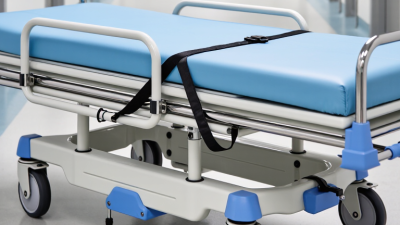
What Are the Best Hospital Transfer Carts from China?
Choosing the best Hospital transfer carts from China requires more than comparing prices or product photographs. Hospitals need equipment that performs safely during crowded shifts, narrow corridor turns, and repeated cleaning cycles. A cart may look strong online, yet its frame, brake system, or mattress support may reveal weaknesses during daily use.
Dr. Peter Pronovost, a respected patient-safety and healthcare quality expert, has said, “We need to make it easier for people to do the right thing.” That principle applies directly to hospital transport equipment. Clear controls, reliable brakes, smooth casters, and adjustable side rails can reduce unnecessary handling risks. Practical design matters.
This guide examines Chinese Hospital transfer carts through measurable factors, including load capacity, cart width, wheel quality, surface materials, safety belts, height adjustment, and after-sales support. It also considers factory experience, quality-control records, available certifications, and communication during customization. A low price can look attractive. That judgment is incomplete.
The strongest suppliers should provide realistic specifications, product testing details, replacement-part access, and clear warranty terms. Buyers should request samples or arrange independent inspections whenever possible. A polished catalog cannot confirm long-term durability. Even experienced purchasers can miss small issues, such as difficult-to-clean joints or weak brake pedals. This comparison therefore focuses on practical hospital use, not marketing language. No single cart fits every facility. A rural clinic, emergency department, and large medical center may need different solutions.
Read more »
By:Charlotte
- September 19, 2026