Choosing Medical washing units for international healthcare facilities requires more than comparing chamber size or purchase price. Buyers must examine cleaning performance, thermal disinfection, documentation, water consumption, and service support. A unit may look efficient in a showroom yet struggle with narrow surgical instruments, mineral-rich water, or unstable electricity.
The World Health Organization reports that healthcare-associated infections remain a serious global safety burden, especially in low- and middle-income settings. WHO also emphasizes reliable water, sanitation, hygiene, and infection prevention systems as essential healthcare foundations. These findings do not provide a direct ranking of washing machines. They do, however, show why equipment selection affects daily clinical resilience. William A. Rutala, a leading infection-prevention expert, stated, “Cleaning is the necessary first step of any sterilization or disinfection process.” That principle should guide every procurement decision.
Global buyers should compare Medical washing units against ISO 15883 requirements, validated cycle data, and local regulatory expectations. Check whether the supplier can demonstrate temperature mapping, detergent dosing accuracy, drying performance, and traceable records. Ask for references from hospitals with similar workloads. Inspect the loading racks, door seals, spray arms, and touch-screen controls. Small details matter.
Energy efficiency matters too. So does repair speed.
The best choice is rarely the cheapest machine. It is the unit that consistently protects instruments, staff, and patients across real operating conditions. Still, buyers should remain cautious. Manufacturer claims can be polished, while maintenance costs and water-quality problems are often underestimated. A careful evaluation should include lifecycle cost, operator training, spare parts availability, and independent validation before purchase.
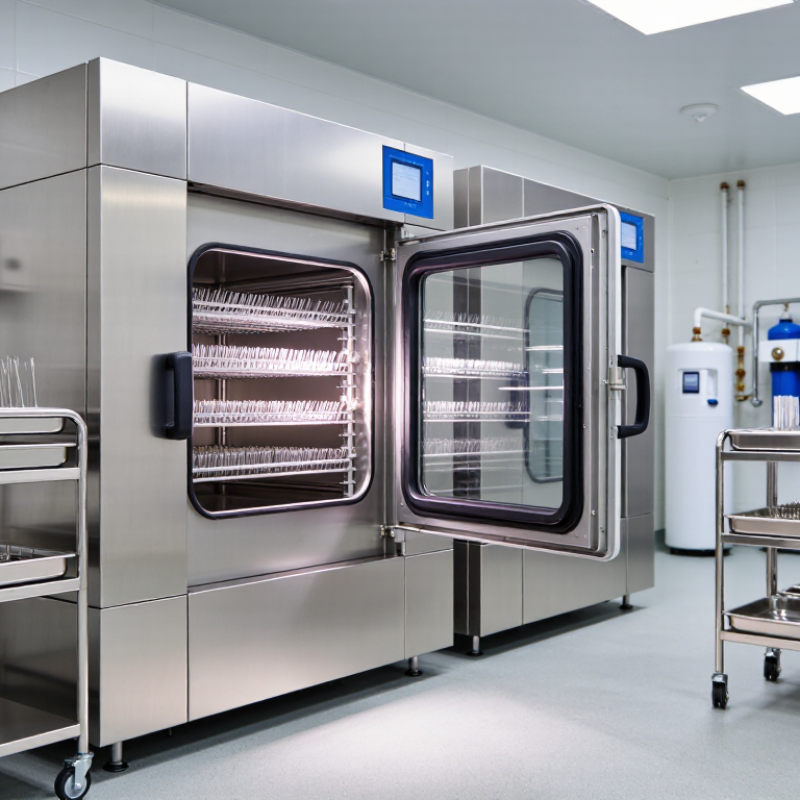
What Are Medical Washing Units and Where Are They Used?
Medical washing units are specialized machines for cleaning reusable medical items before inspection, sterilization, or safe reuse. Unlike household washers, they control water pressure, temperature, detergent dosing, rinsing, and drying. Some models handle surgical instruments, while others clean carts, trays, containers, or dental equipment.
These units are commonly used in hospital central sterile departments, operating rooms, dental clinics, laboratories, and healthcare manufacturing areas. A typical cycle may include pre-rinsing, enzymatic washing, thermal disinfection, final rinsing, and filtered-air drying. Operators should check whether the chamber fits long instruments, narrow channels, heavy trays, or delicate components. A strong spray is not always better. It may damage fragile surfaces or leave shaded areas unclean.
Global buyers should examine water quality, electrical supply, drainage, ventilation, and available service support before choosing equipment. Cycle records, alarm functions, temperature monitoring, and accessible maintenance points also matter. Local clinical procedures and applicable safety requirements must guide the final decision. A polished specification sheet can hide practical limits. For example, a unit may clean well but dry slowly during busy shifts. Staff training is essential, even with automatic programs. Real performance depends on loading habits, detergent selection, preventive maintenance, and regular verification. Some details are easy to overlook. The best choice is not always the largest machine.
FAQS
They clean reusable medical items before inspection, sterilization, or safe reuse. They may process instruments, trays, carts, containers, and dental equipment. They are not ordinary household washers.
Common locations include hospital sterile departments, operating rooms, dental clinics, laboratories, and healthcare manufacturing areas. The surrounding space needs suitable water, drainage, electricity, and ventilation.
A cycle may include pre-rinsing, enzymatic washing, thermal disinfection, final rinsing, and filtered-air drying. Exact steps depend on the load and local procedures. One cycle does not fit everything.
Check whether the chamber fits long instruments, narrow channels, heavy trays, and delicate components. Measure the actual items used during busy shifts. A large chamber is not automatically better.
No. Strong spray may damage fragile surfaces or miss shaded areas. Loading position, spray-arm design, and item shape also affect cleaning. More force can create new problems.
Inspect the chamber, welds, door seals, spray arms, filters, and drainage points. Stainless steel can resist corrosion and simplify cleaning. Steel grade alone cannot prove durability.
Useful features include programmable cycles, temperature sensors, pressure monitoring, alarm histories, and clear operator screens. Data records can support quality checks and maintenance reviews. Automation still needs trained staff.
Ask about service intervals, calibration, fault codes, cleaning instructions, replacement parts, and technician availability. Confirm access to pumps, filters, heating elements, and control components. Water hardness can cause scale and reduce heating efficiency.
Consider detergent use, water quality, maintenance, downtime, training, and drying speed. A low purchase price may become expensive during repeated delays. Showroom performance is not enough.
Check electrical supply, drainage, ventilation, service support, safety requirements, and local clinical procedures. Observe the unit with realistic workloads and typical staff. Specifications can hide practical limits.
Conclusion
Medical washing units are specialized systems designed to clean, rinse, disinfect, and sometimes dry medical instruments, containers, carts, and other reusable healthcare items. They are used in hospitals, clinics, laboratories, dental facilities, and centralized sterilization departments. For global buyers, selection should begin with the required cleaning standards, validated disinfection performance, documentation, operator safety, and compatibility with local compliance expectations. The unit’s chamber size, load capacity, cycle duration, water and energy consumption, and workflow layout should match daily volume and available space.
Buyers should also compare construction materials, corrosion resistance, programmable automation, monitoring functions, and ease of loading and unloading. Maintenance access, spare-part availability, staff training, installation requirements, and technical support are equally important for long-term reliability. A complete cost evaluation should include purchase price, shipping, installation, utilities, consumables, validation, and ongoing service. By assessing performance, total ownership cost, supplier experience, customization capability, and after-sales support, healthcare organizations can choose Medical washing units that improve hygiene consistency, operational efficiency, and dependable service across different facilities and regions.