Knowledge & Industry Insights

Medical Furniture & Equipment Blog

Technical insights, product selection guides, and global hospital furniture standards from VOLLEY Medical Technology Co., Ltd.

0%

A central sterile services department depends on a clear, dependable workflow. CSSD furniture helps shape that workflow, from receiving used instruments to preparing sterilized sets for storage. A poorly placed worktable can create awkward movement. A crowded sink area can slow cleaning and make routine tasks harder. Small details matter.

Choosing suitable furniture requires more than comparing prices or finishes. Consider the department’s layout, daily instrument volume, cleaning processes, and the needs of staff who use each station. Stainless steel is common because it is durable and can be cleaned with appropriate products, but material grade, construction, and finish still deserve attention. Check edges, joints, drainage, and load capacity. Ask how each item will perform under your facility’s actual conditions.

Room to move matters. So does reach.

This guide explores practical factors to review before selecting CSSD furniture, including workflow zoning, ergonomic dimensions, hygienic design, storage, and installation planning. It also considers how to assess suppliers and avoid choices based only on appearance. Product specifications should be verified with manufacturers, and decisions should align with your facility’s established cleaning procedures and equipment requirements. There may not be one perfect layout; even a well-planned room can reveal problems after staff begin using it. That is worth reflecting on. Careful observation, staff feedback, and a willingness to adjust can help create a workspace that supports consistent processing rather than simply filling the room.
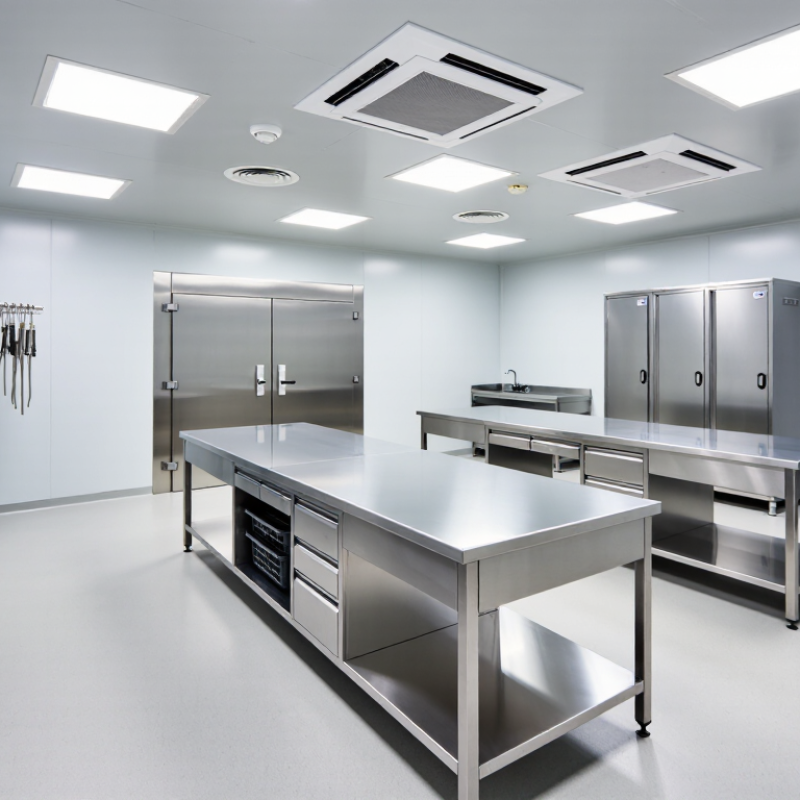
How to Choose CSSD Furniture for Your Facility?

Understanding CSSD Furniture and Its Role in Sterile Processing

How to Choose CSSD Furniture for Your Facility?

Understanding CSSD Furniture and Its Role in Sterile Processing

Central sterile services department (CSSD) furniture supports the movement of reusable instruments through cleaning, inspection, packing, and storage. Its layout can affect workflow, staff comfort, and the separation of clean and contaminated items. A worktable near an inspection light needs enough space for instruments, trays, and documentation. Shelving should keep packaged items off the floor and allow clear access for routine cleaning. Small details matter.

Choose furniture according to each processing zone, not appearance alone. Smooth, nonporous surfaces can be easier to clean, while rounded edges may reduce places where soil collects. Check load capacity, adjustability, and compatibility with the room’s cleaning procedures. Stainless steel is common, but the right specification depends on the task and environment. A technically suitable table can still be awkward if staff must reach too far or work around crowded equipment. That happens.

Assessing Facility Layout, Workflow, and Space Requirements

Choosing CSSD furniture starts with the facility layout, not a catalogue. Map the complete path from receiving to sterile storage. Separate decontamination, inspection, packing, sterilization, and storage areas. The route should move forward. It should not cross. Measure door widths, turning circles, ceiling height, and service clearances before selecting cabinets or workstations. A sterilizer may fit on paper but block a trolley when its doors open. That detail is easy to miss.

Observe the actual workflow during a busy shift. Count instrument trays, carts, staff movements, and handwashing events. Then size surfaces around real work, not ideal drawings. Decontamination furniture needs resistant surfaces, deep sinks, splash control, and clear separation from clean areas. Packing stations need task lighting, adjustable height, and nearby storage for wraps, indicators, and labels. Keep frequently used items within reach. Reduce unnecessary steps. Clear visual boundaries help staff recognize changing cleanliness levels and support routine audits.

Space planning must include people, equipment, and maintenance. Leave access for plumbing, electrical inspection, filter replacement, and emergency movement. Do not fill every wall with storage. Future workload matters. A growing surgical schedule can quickly overwhelm a narrow preparation room. Use measured usage data, infection prevention guidance, and current local requirements when deciding capacity and zoning. Qualified facilities and sterile processing professionals can expose hidden risks, such as heat near packaging or poor visibility at handoff points. One honest warning: a beautiful layout may still fail under pressure. Test the plan with staff, revise it, and test it again before installation.

Selecting Materials, Construction, and Essential Furniture Features

Choosing CSSD furniture starts with the workflow, not the catalogue. Map dirty and clean zones before selecting cabinets, tables, and storage units. Stainless steel is widely used because it resists corrosion and tolerates frequent cleaning. However, not every stainless grade performs equally in a demanding sterile processing environment. Ask for material specifications, weld quality, and surface finish records.

Construction details affect daily safety. Choose seamless or fully welded joints where possible. Avoid deep gaps, exposed fasteners, and rough edges that can retain soil or damage gloves. Adjustable feet should remain stable during trolley movement and allow practical floor cleaning. Doors and drawers need smooth operation, even when staff wear protective gloves. Measure access routes carefully. A beautiful cabinet is useless if it cannot pass through the doorway.

Tips: Inspect a sample under bright light. Check corners, welds, drawer runners, and undersides. Confirm that shelves support the expected load without bending. Select furniture that tolerates approved detergents and disinfectants used in your facility. Ask experienced CSSD staff to test the layout during a realistic shift. Their feedback may challenge the original plan, which is useful. I would also leave some flexible storage capacity; instrument volumes often grow faster than expected. Document cleaning instructions, load limits, and maintenance checks for dependable long-term use.

Matching Furniture Types to Each CSSD Processing Zone

How to Choose CSSD Furniture for Your Facility?

Matching furniture to each CSSD processing zone protects workflow, staff safety, and instrument quality. The World Health Organization reports that 7 in 100 acute-care patients in developed countries acquire healthcare-associated infections. The rate rises to 10 in developing countries. Furniture cannot solve every infection risk, but poor zoning can increase avoidable contact and handling.

In the decontamination zone, choose deep, seamless sinks with hands-free controls, splash protection, and corrosion-resistant worktables. Add adjustable-height benches where staff inspect heavily soiled devices. Pass-through openings should support one-way movement toward preparation. Keep storage limited here. Moisture and contamination spread easily.

In the inspection, assembly, and packaging zone, use smooth stainless-steel tables with rounded edges and shadow-free lighting. Shelving should keep wrapped sets away from floors, walls, and heat sources. Closed cabinets suit sterile storage better than open racks. The Association for the Advancement of Medical Instrumentation’s ST79 guidance stresses controlled processing flow and suitable environmental separation.

Sterilization areas need heat-resistant carts, ventilated spaces, and loading surfaces sized for actual chamber capacity. Measure the largest tray first. It sounds obvious, yet facilities sometimes purchase furniture before mapping equipment movement. That mistake becomes expensive. I would also test a prototype with staff, because theoretical clearance can fail beside a washer door or autoclave handle. Furniture selection should follow observed work, not only architectural drawings.

Verifying Safety, Compliance, and Long-Term Maintenance Needs

How to Choose CSSD Furniture for Your Facility?

Verifying Safety, Compliance, and Long-Term Maintenance Needs

CSSD furniture must support clean-to-dirty workflow, withstand repeated cleaning, and keep instruments protected. Check material compatibility against the disinfectants and detergents your facility actually uses. Smooth, nonporous surfaces, sealed joints, and rounded edges reduce soil traps and simplify inspection. Small gaps matter. Ask suppliers for load ratings, corrosion-resistance documentation, and cleaning instructions—not just a polished product sheet. Furniture should also leave clear access to sinks, washers, and maintenance points. Confirm that its placement fits your validated processing procedures, including the instructions required under ISO 17664.

Compliance is a workflow issue, not a label on a cabinet. ANSI/AAMI ST79 addresses steam sterilization and sterility assurance, while ISO 15883 covers washer-disinfectors; furniture should not obstruct either process. The World Health Organization’s 2011 report estimated healthcare-associated infection prevalence at 7.6% in high-income countries and 10.1% in developing countries. These figures do not measure furniture performance, but they underline why reliable reprocessing environments matter. Build a maintenance plan around inspection of welds, casters, drawer slides, and surface damage. Keep spare parts available and record repairs. The awkward truth: even suitable furniture can fail early when cleaning chemicals are changed without checking material compatibility. Revisit that assumption.

FAQS

What does CSSD furniture support?

It supports reusable instruments through cleaning, inspection, packing, and storage. Its layout can also help separate clean and contaminated items.

How should furniture placement follow the workflow?

Map an instrument’s route from receiving to sterile storage. Keep each processing zone distinct, and avoid routes that cross. Test the path with a loaded trolley.

What should be measured before choosing furniture?

Measure doorways, turning space, ceiling height, work surfaces, and service clearances. Check whether cabinet doors or equipment block trolley movement when opened.

Which features help make furniture easier to clean?

Smooth, nonporous surfaces, rounded edges, and sealed joints can reduce places where soil collects. Inspect corners and undersides under bright light.

Is stainless steel always the right material?

Stainless steel is common, but specifications matter. Check the grade, weld quality, surface finish, and compatibility with the facility’s approved cleaning products.

What should staff test before installation?

Ask staff to work with typical trays and containers. Check reach distances, drawer operation with gloves, table height, lighting, and nearby storage. Small annoyances count.

How much storage capacity should a facility plan for?

Base capacity on measured instrument volumes and expected workload. Leave some flexible space; volumes may grow faster than expected.

What maintenance needs should furniture accommodate?

Allow access to plumbing, electrical systems, filters, and floor areas. Document cleaning instructions, load limits, and maintenance checks. A packed room can make routine service awkward.

Conclusion

Choosing the right CSSD furniture is essential for creating a safe, efficient, and hygienic sterile processing environment. The selection process should begin with a clear understanding of CSSD operations, including the separation of dirty, clean, and sterile areas. Evaluate the facility’s layout, available space, staff movement, equipment placement, and workflow to ensure that furniture supports smooth one-way processing and reduces unnecessary handling.

Furniture should be made from durable, corrosion-resistant, and easy-to-clean materials, with secure construction, rounded edges, adequate load capacity, and practical storage features. Different processing zones may require specialized items such as worktables, sinks, carts, shelving, cabinets, and pass-through solutions. Before making a final decision, confirm that the furniture supports workplace safety, infection-control procedures, cleaning requirements, and applicable facility standards. Considering maintenance access, replacement needs, ergonomics, and long-term durability will help the facility achieve reliable performance and better value over time.

Charlotte

Charlotte

Charlotte is a seasoned marketing professional with extensive expertise in the company's offerings. With a keen eye for detail and a passion for innovation, she plays a pivotal role in enhancing the brand's visibility and strengthening its market position. Charlotte frequently updates the company......