Knowledge & Industry Insights

Medical Furniture & Equipment Blog

Technical insights, product selection guides, and global hospital furniture standards from VOLLEY Medical Technology Co., Ltd.

0%

In 2026, Veterinary medical equipment must support accurate diagnosis, safe treatment, and efficient daily workflows. The “best” choice depends on the clinic’s patients, staff, budget, and available space. A small animal practice may prioritize digital X-ray, ultrasound, anesthesia monitoring, and reliable laboratory analyzers. A referral hospital may require advanced imaging, surgical systems, ventilators, and specialized dental equipment.

Context matters. Equipment should produce dependable results, not impressive specifications alone. Veterinarians should examine image quality, measurement accuracy, ergonomic design, cleaning requirements, and software stability. They should also verify training, calibration, warranty coverage, and technical support. A device that fails during an emergency can create pressure for the entire team. Clear maintenance records can reduce that risk.

This guide compares leading equipment categories through clinical usefulness, safety, durability, and long-term value. It considers real settings, such as a crowded examination room, a wet treatment area, or a dim imaging suite. Infection control and patient comfort remain essential, especially when equipment touches skin, mucous membranes, or surgical sites. Data protection also deserves attention when systems store medical records or transmit images.

No checklist is perfect. A premium device may still be unsuitable for a clinic with limited training time. A lower-cost model may perform well when maintained carefully. Recommendations can also change as manufacturers update software, standards, and support policies. Readers should confirm current specifications with qualified veterinary professionals and authorized suppliers before purchasing. Careful comparison usually matters more than choosing the newest label.
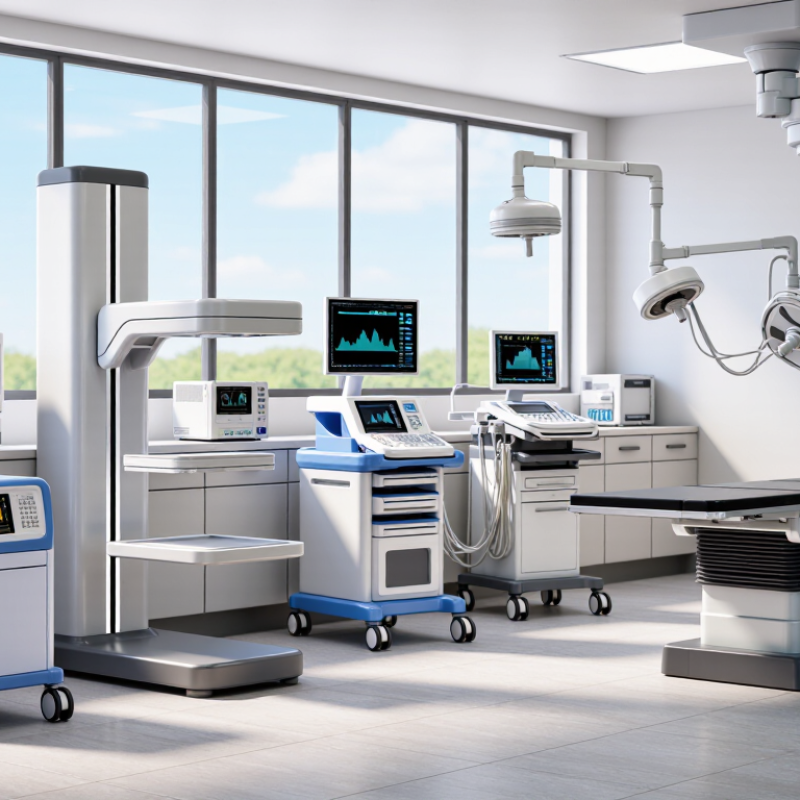
What Is the Best Veterinary Medical Equipment in 2026?

Defining the Best Veterinary Medical Equipment in 2026

Defining the best veterinary medical equipment in 2026 requires more than comparing screen size or purchase price. It means matching each device to species, case volume, staff skill, and emergency capacity. A 2024 Grand View Research report projects strong growth in the global veterinary equipment and disposables market through 2030. Fortune Business Insights reports similar expansion, although estimates vary by product scope. That disagreement matters.

In practice, the best system produces dependable clinical information quickly. For imaging, that means useful resolution, low repeat rates, simple positioning, and secure storage. For anesthesia and monitoring, it means visible alarms, stable readings, battery resilience, and easy cleaning between patients. The World Small Animal Veterinary Association emphasizes evidence-based care. IEC 60601-1 remains a key safety reference for electrical medical equipment. A polished interface cannot compensate for poor calibration or weak training. Advanced functions are often underused during busy shifts.

Reliable purchasing also requires service records, calibration schedules, consumable availability, cybersecurity controls, and transparent maintenance costs. The best equipment should support local regulations and documented risk management, rather than merely advertise innovation. A 2025 MarketsandMarkets report identifies connected workflows and point-of-care diagnostics as important growth areas. Yet connectivity can create distraction, subscription costs, and new failure points. That is the uncomfortable test. Clinics should measure repeat scans, triage time, equipment downtime, and recovery safety before approving a purchase.

Core Equipment Categories for Modern Veterinary Practices

What Is the Best Veterinary Medical Equipment in 2026?

Modern veterinary practices need equipment organized around clinical decisions, not impressive specifications. The core starts with diagnostic tools: digital radiography, ultrasound, microscopes, chemistry analyzers, and hematology systems. These support faster triage during vomiting, trauma, or unexplained weight loss. Grand View Research’s 2024 veterinary equipment analysis projects continued market growth through 2030, driven partly by advanced diagnostic adoption. However, growth does not make every device necessary. A reliable blood analyzer may create more daily value than an expensive imaging system used twice weekly.

Patient safety requires a second equipment layer. This includes anesthesia machines, ventilators, multiparameter monitors, infusion pumps, warming systems, and surgical lighting. During anesthesia, oxygen saturation, capnography, blood pressure, temperature, and heart rhythm should be visible together. Small details matter. A loose sensor can mislead the team. The American Animal Hospital Association’s anesthesia guidance emphasizes continuous monitoring and documented recovery care. Equipment only helps when staff calibrate it, understand alarms, and maintain backup plans.

Dental units, sterilization systems, isolation supplies, and secure medical records complete the modern setup. The American Veterinary Medical Association’s 2024 pet ownership report estimated 82.8 million U.S. households owned pets, increasing demand for accessible preventive care. Yet practices can overinvest in technology before improving workflow. A beautiful treatment room may still lose samples, delay cleaning, or confuse handoffs. A practical equipment audit should examine case volume, staff training, service contracts, and emergency readiness. The answer is rarely the newest device. It is the safest system the team can operate consistently.

Key Features for Evaluating Veterinary Medical Equipment

What Is the Best Veterinary Medical Equipment in 2026?

Choosing veterinary medical equipment starts with clinical purpose, not appearance. A monitor should display clear readings during anesthesia, recovery, and emergency care. Its alarms must be loud enough for a busy treatment room. Staff should adjust settings without leaving the patient unattended. Simple controls matter when a cat is unstable or a large dog needs urgent attention.

Evaluate accuracy, durability, and cleaning requirements together. Equipment should tolerate disinfectants, repeated handling, and occasional drops. Ask for independent testing, calibration records, and documented safety standards. User training also matters. Even reliable equipment can produce poor results when staff misunderstand a sensor or ignore an alarm. That happens.

Look closely at workflow compatibility. Can the device connect securely with existing records or monitoring systems? Are replacement parts available through authorized service channels? Measure battery life during a realistic shift, not only in a demonstration. Check warranty terms, maintenance intervals, software updates, and repair response times. Total cost includes training, consumables, downtime, and calibration.

A practical trial often reveals weaknesses that specifications hide. Place the equipment beside a wet treatment table. Test it with gloved hands. Listen to alarms from across the room. Ask veterinary nurses and technicians for honest feedback, because they use the device most often. No checklist is perfect. A careful team should revisit its decision after real clinical use.

How to Match Equipment With Different Animal Care Needs

What Is the Best Veterinary Medical Equipment in 2026?

Equipment should follow the animal, not the trend. The AVMA 2022 U.S. Pet Ownership and Demographics Sourcebook recorded 59.8 million dog-owning households and 42.7 million cat-owning households. That scale demands flexible equipment for routine and urgent care.

Small-animal clinics need accurate digital scales, multiparameter monitors, dental radiography, and adjustable anesthesia systems. Cats often require quieter rooms and smaller cuffs. Dogs may need wider tables and stronger restraint support. For large animals, portable ultrasound, rugged thermometers, and field-safe imaging equipment matter more. Mobility can save valuable minutes.

Exotic patients require another approach. Precise heat control, tiny respiratory circuits, and species-specific monitoring are essential. One setting cannot fit every patient. It rarely works.

Grand View Research’s 2024 veterinary equipment report projects continued market growth through 2030. However, buying more technology does not guarantee better medicine. The Royal College of Veterinary Surgeons emphasizes competent use, maintenance, and documented clinical judgment. Staff training should influence every purchase. A powerful monitor is unhelpful when alarms are misunderstood.

A practical assessment should examine animal size, caseload, room space, cleaning demands, and emergency frequency. I would also test equipment with real workflows, not only sales demonstrations. That lesson is easy to overlook. The cheapest device may become expensive twice: during repair, and during a preventable clinical delay.

Safety, Maintenance, and Future Trends in Veterinary Equipment

The best veterinary medical equipment in 2026 is not simply the newest device. It is equipment that protects patients, staff, and clinical data during daily use. Safety begins with clear training, correct patient positioning, and routine checks before every procedure. A monitor with a loose sensor can give dangerous readings, even when the screen looks normal. Small faults matter.

Maintenance should follow a written schedule based on workload, risk, and manufacturer guidance. Staff should inspect cables, wheels, seals, batteries, and alarm settings. Cleaning products must match each surface. Harsh chemicals can damage plastic housings and create hidden cracks. Qualified technicians should test electrical safety and calibration at documented intervals. Records should include service dates, faults, repairs, and the person responsible. This creates accountability, not paperwork for its own sake.

Future equipment will likely use smarter alarms, wireless data sharing, compact imaging, and automated trend analysis. These tools may help veterinarians notice breathing changes earlier. They can also create alert fatigue or misleading results when sensors are poorly placed. Human judgment remains necessary. I would not trust automation without checking the patient first. Even experienced teams miss details during busy shifts. A five-minute pause, a clean cable, and a second reading can prevent a serious mistake. Some clinics may adopt advanced systems too quickly, before staff understand their limits. Regular drills and honest incident reviews can reveal those weaknesses.

What Is the Best Veterinary Medical Equipment in 2026? - Safety, Maintenance, and Future Trends in Veterinary Equipment

Evidence-informed comparison of commonly used veterinary equipment, focusing on clinical value, safety controls, maintenance requirements, service life, and emerging developments.

Veterinary medical equipment comparison for small-animal and mixed-practice facilities
Equipment Category Primary Clinical Use Key Safety Requirements Recommended Maintenance Frequency Typical Service-Life Range Operational Performance Indicators 2026 Development Direction Overall Practical Value
Anesthesia Workstation Delivery of inhaled anesthetic and oxygen during surgery and intensive procedures. Pre-use leak testing; oxygen supply verification; functioning pressure relief system; scavenging of waste anesthetic gases; continuous patient monitoring. Pre-use check before every procedure; cleaning after each patient; formal technical inspection at least annually or according to the manufacturer’s instructions. Approximately 8–15 years with appropriate servicing and replacement of consumable components. Stable gas flow, accurate vaporizer output, low circuit leakage, reliable oxygen delivery, and complete anesthesia records. Integrated respiratory monitoring, automated leak detection, electronic records, low-flow anesthesia support, and improved energy efficiency. Very High
Multiparameter Patient Monitor Monitoring of oxygen saturation, heart rate, blood pressure, temperature, respiratory rate, and electrocardiography. Correct sensor selection and placement; alarm limits set for each patient; regular electrical safety checks; visual inspection of cables and probes. Clean sensors after each use; inspect cables daily; verify calibration and alarms at scheduled intervals, commonly every 6–12 months. Approximately 7–12 years, depending on software support, battery condition, and sensor replacement. Signal quality, alarm reliability, measurement repeatability, battery performance, and percentage of cases with complete monitoring data. Wireless connectivity, trend analysis, configurable alarm management, cloud-based records, and decision support for early deterioration detection. Very High
Infusion and Syringe Pump Controlled administration of fluids, analgesics, antibiotics, anesthetic drugs, and nutrition. Occlusion and air-in-line alarms; dose-rate verification; battery inspection; use of compatible administration sets; independent drug calculations for high-risk medicines. Clean after every patient; inspect before each use; preventive performance testing commonly every 6–12 months. Approximately 6–10 years, subject to battery, motor, keypad, and calibration condition. Flow-rate accuracy, alarm response, occlusion detection, battery duration, and documented medication checks. Library-based dosing safeguards, wireless fleet management, automated event logs, and improved low-flow accuracy. High
Ultrasound System Non-invasive imaging of abdominal, cardiac, reproductive, musculoskeletal, and soft-tissue structures. Electrical safety; careful handling of probes; approved disinfectant compatibility; infection-control protocols for invasive or contaminated examinations. Clean and disinfect probes after each patient; inspect cables and surfaces routinely; performance assessment at least annually or after suspected image degradation. Approximately 7–12 years; probes may require replacement earlier because they are heavily handled. Image uniformity, depth penetration, probe integrity, measurement consistency, and data-storage reliability. Portable systems, artificial-intelligence-assisted measurements, remote consultation, automated cardiac calculations, and improved battery operation. Very High
Digital Radiography System Diagnostic imaging of bones, thorax, abdomen, dental structures, and emergency conditions. Radiation protection program; controlled access; dosimeter use where required; collimation; exposure optimization; equipment performance testing by qualified personnel. Clean detectors after use; inspect cables and positioning aids; perform quality-control testing at defined intervals, commonly quarterly to annually depending on local rules and workload. Approximately 8–15 years for the system; detector panels and other components may have shorter replacement cycles. Image quality, repeat-exposure rate, radiation dose, detector reliability, and report turnaround time. Lower-dose protocols, automated positioning assistance, artificial-intelligence image triage, cloud archiving, and mobile imaging workflows. Very High
Dental Unit and Ultrasonic Scaler Dental examination, periodontal treatment, polishing, and oral surgery support. High-level cleaning and sterilization of reusable instruments; waterline hygiene; eye and hearing protection; safe restraint and anesthesia monitoring. Flush and maintain waterlines according to protocol; clean after each procedure; inspect handpieces and scaler tips regularly; service the unit at least annually. Approximately 5–10 years, depending on water quality, workload, and handpiece maintenance. Stable water flow, scaler performance, handpiece integrity, sterilization traceability, and reduction in procedure-related complications. Improved waterline monitoring, ergonomic handpieces, digital dental records, intraoral imaging integration, and minimally invasive periodontal tools. High
Steam Sterilizer sterilization of heat- and moisture-resistant surgical and dental instruments. Correct loading; use of chemical and biological indicators as required; routine cycle verification; staff training; safe handling of hot and pressurized materials. Daily cleaning and water checks where applicable; routine monitoring each cycle; scheduled inspection and validation according to local regulations and the equipment’s instructions. Approximately 8–15 years with water-quality control and preventive maintenance. Successful cycle parameters, indicator results, drying quality, chamber integrity, and sterilization-record completeness. Automated load tracking, digital traceability, water-saving cycles, remote diagnostics, and improved instrument-processing workflow. Essential
Surgical Table and Operating Light Patient positioning, surgical access, and shadow-reduced illumination. Stable locking and braking systems; weight-limit compliance; electrical inspection; safe positioning and padding; emergency access to the patient. Clean and disinfect after each procedure; inspect locks, casters, joints, and cables routinely; perform mechanical and electrical checks at least annually. Approximately 10–20 years, depending on structural condition and operating-room workload. Positioning accuracy, stability, illumination quality, ease of cleaning, and absence of fluid or electrical damage. Touchless controls, improved LED efficiency, integrated imaging compatibility, ergonomic positioning, and antimicrobial surface options. High
Patient Warming System Prevention and treatment of perioperative or critical-care hypothermia. Continuous temperature monitoring; correct blanket or mattress placement; inspection for pressure or thermal injury; use of validated temperature limits. Clean reusable components after each patient; inspect sensors and heating elements before use; verify temperature control at scheduled service intervals. Approximately 5–10 years, depending on heating elements, sensors, and cleaning practices. Temperature stability, alarm function, heating response time, patient comfort, and incidence of hypothermia-related complications. Closed-loop temperature control, improved insulation, lower energy consumption, and integration with multiparameter monitors. High
Laboratory Analyzer Rapid testing of hematology, biochemistry, electrolytes, urinalysis, and selected infectious-disease markers. Quality-control materials; reagent storage compliance; biohazard precautions; internal and external quality assurance where available; result verification for abnormal findings. Daily startup and cleaning tasks; scheduled reagent and waste management; calibration and quality-control checks according to the test system’s instructions. Approximately 5–10 years, with software, optics, pumps, and sample-handling components affecting replacement timing. Turnaround time, precision, accuracy, invalid-result rate, reagent stability, and comparison with reference laboratory results. Connected point-of-care testing, automated quality checks, cartridge-based workflows, predictive maintenance, and structured digital reporting. Very High
Endoscope System Direct visualization and minimally invasive examination of the gastrointestinal, respiratory, urinary, and reproductive tracts. Leak testing before immersion; validated cleaning and high-level disinfection or sterilization; careful transport and storage; documented reprocessing steps. Reprocess after every patient; inspect the insertion tube, channels, seals, and image quality before use; professional inspection at planned intervals. Approximately 5–10 years, although flexible scopes may need major repair earlier due to channel or bending-section damage. Image clarity, insertion performance, channel patency, leak-test success, reprocessing compliance, and repair frequency. Higher-resolution imaging, improved infection-control traceability, smaller-diameter scopes, and computer-assisted lesion detection. High

Note: Service-life ranges are typical planning estimates rather than guarantees. Actual performance depends on workload, environmental conditions, cleaning methods, staff training, preventive maintenance, software support, local regulations, and the equipment’s instructions for use. Radiation-producing equipment, sterilizers, anesthesia systems, and electrical medical devices should be inspected and maintained by appropriately qualified personnel.

FAQS

What defines the best veterinary medical equipment in 2026?

The best equipment matches species, case volume, staff skills, and emergency needs. A polished screen is not enough.

Which diagnostic tools are most useful in a general veterinary practice?

Digital radiography, ultrasound, microscopes, blood analyzers, and chemistry systems support daily decisions. A dependable analyzer may create more value than rarely used advanced imaging.

What should clinics check before purchasing imaging equipment?

Check image quality, positioning speed, repeat-scan rates, storage security, and staff training. A clear image saves time. Poor calibration can still mislead the team.

What monitoring functions matter during anesthesia?

Oxygen saturation, carbon dioxide, blood pressure, temperature, and heart rhythm should remain visible. Alarms must be easy to understand. Backup plans still matter.

How can a clinic judge whether equipment is truly safe?

Review calibration records, electrical safety, cleaning procedures, maintenance history, and recovery protocols. A loose sensor can produce a dangerous reading. That detail is easy to miss.

Is connected equipment always better?

No. Connected workflows can speed access to results and records. They may also add subscriptions, distractions, cybersecurity risks, and new failure points. Convenience has limits.

Which support services should be included in a purchase decision?

Examine service response times, spare parts, consumable availability, software support, and transparent maintenance costs. Ask who helps during a weekend failure. That answer may change the purchase.

How should a clinic decide between advanced technology and basic equipment?

Measure patient volume, triage time, downtime, repeat scans, and recovery safety. Choose equipment the team can operate consistently. Newer is not always wiser.

What common mistake occurs when practices upgrade equipment?

Clinics may buy impressive devices before fixing workflow, cleaning delays, or poor handoffs. A beautiful treatment room can still lose samples. I might overvalue technology without checking daily use.

Conclusion

In 2026, the best Veterinary medical equipment is defined not only by advanced technology, but also by its accuracy, reliability, ease of use, and ability to improve animal care. Modern veterinary practices may require a balanced range of diagnostic, monitoring, surgical, imaging, and treatment equipment. Each category should support efficient workflows while helping veterinary professionals make informed decisions and provide safe, comfortable care for different species and sizes of animals.

When evaluating equipment, practices should consider performance, durability, user-friendly design, connectivity, cleaning requirements, and long-term value. Equipment should be matched to the clinic’s services, patient needs, available space, and staff expertise rather than selected solely for its newest features. Proper training, regular maintenance, calibration, and hygiene are essential for dependable operation and patient safety. Looking ahead, veterinary equipment is expected to become more connected, efficient, portable, and adaptable, supporting better data management and more personalized animal care.

Alexander

Alexander

Alexander is a dedicated professional marketer with a deep expertise in our company's products and services. He possesses a unique ability to translate complex concepts into engaging content, making it accessible and appealing to a diverse audience. Regularly, he contributes to our company's......