Choosing the best forensic medicine equipment in 2026 requires more than comparing prices or impressive specifications. Reliable practice depends on accuracy, safety, usability, and documented performance. A bright examination light, calibrated digital scale, secure imaging system, and temperature-monitored storage unit can each influence the quality of medical findings. Small errors spread.
This guide examines equipment used in forensic examination, documentation, sampling, and controlled evidence storage. It focuses on tools that support trained professionals without replacing clinical judgment. Manufacturers should provide calibration records, maintenance instructions, cybersecurity information, and clear user training. Independent testing and recognized quality systems also matter, especially when results may be reviewed by courts, hospitals, or professional boards.
Experience often reveals weaknesses that product brochures overlook. A camera may produce excellent images but fail during low-light documentation. A storage cabinet may appear secure but lack reliable alarm records. Even advanced software can create confusion when staff receive limited training. That is why this comparison considers workflow, ergonomic design, data protection, cleaning requirements, service access, and long-term operating costs. Practical details matter.
The phrase “best” is not universal. A small clinic may prioritize portability, while a regional laboratory may need automation and redundant storage. Some recommendations remain open to review because technology, standards, and professional guidance continue to change. Readers should verify current certifications and local requirements before purchasing. Responsible selection protects accuracy, dignity, and public confidence.
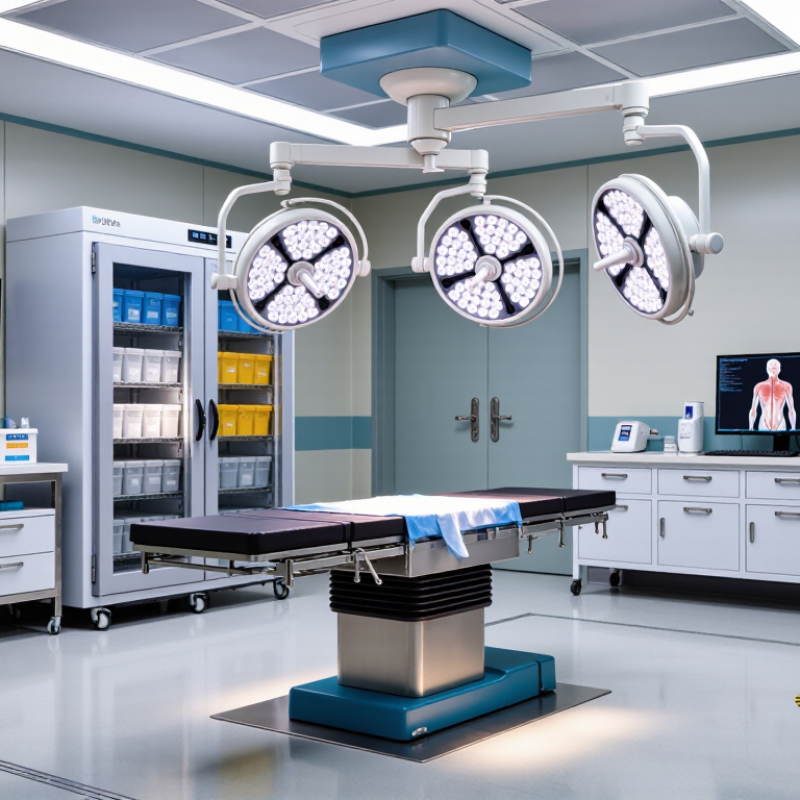
Defining Forensic Medicine Equipment and Its Main Applications
What Is the Best Forensic Medicine Equipment in 2026?
Forensic medicine equipment includes the instruments used to examine, document, preserve, and interpret medical evidence. In 2026, the best equipment is not simply the most advanced. It must provide accurate results, clear documentation, and safe handling for every examination.
Key applications include postmortem examination, injury assessment, biological sample collection, imaging, and controlled specimen storage. A height-adjustable examination table can improve posture and reduce handling risks. High-resolution imaging helps record fractures, foreign objects, and soft-tissue findings without unnecessary disturbance. Precision scales, calibrated measuring tools, sealed containers, and temperature-monitored storage also support reliable casework. Digital photography is valuable, but poor lighting can still weaken otherwise careful documentation. That detail is easy to overlook. Equipment should also be easy to clean, maintain, and verify through regular quality checks. Some facilities still rely too heavily on software, while human interpretation remains essential.
Tips: Choose equipment with traceable calibration records and simple operating procedures. Test storage temperatures at scheduled intervals. Keep backup power available for critical devices. Train staff with realistic practice scenarios, not only written instructions. Review records for missing measurements or unclear images. A short checklist can prevent expensive mistakes. Even excellent equipment can produce weak findings when users rush, skip maintenance, or assume every digital result is correct.
Key Features of the Best Forensic Medicine Equipment in 2026
The best forensic medicine equipment in 2026 should support accurate examination, safe handling, and reliable documentation. A height-adjustable examination table can reduce strain during long procedures. Its surface should resist fluids, chemicals, and repeated disinfection. Smooth edges also help prevent tissue or evidence from being damaged during movement.
Clear imaging is equally important. High-resolution cameras, controlled lighting, and measurement scales can document small findings without confusing shadows. Digital systems should record timestamps, operator details, and image changes automatically. Secure storage matters. Data should remain readable years later, even after software updates. Calibration must be simple and traceable. Details matter.
Practical safety features separate useful equipment from impressive-looking equipment. Effective ventilation should control unpleasant odors and airborne contaminants. Hands-free controls can reduce cross-contamination during examinations. Refrigeration units need stable temperatures, alarms, and independent monitoring. A brief temperature fluctuation may become a serious documentation problem. Not always.
From field experience, complicated systems often create avoidable delays. Staff need clear interfaces, durable materials, and training that reflects real working conditions. Regular maintenance records should include service dates, test results, and unresolved faults. No device replaces professional judgment. Even automated measurements require human review, especially when tissue condition or lighting affects results. The strongest setup is not necessarily the most advanced. It is the one that remains accurate, clean, usable, and dependable during difficult examinations.
Essential Equipment for Forensic Pathology and Autopsy Work
What Is the Best Forensic Medicine Equipment in 2026?
Essential Equipment for Forensic Pathology and Autopsy Work
The best forensic medicine equipment supports safety, accuracy, and traceable documentation. An adjustable autopsy table should provide stable positioning, controlled drainage, and easy decontamination. Local exhaust ventilation matters when procedures create aerosols or strong odors. A calibrated scale, surgical lighting, digital imaging system, and tamper-evident specimen containers also improve examination quality. Small details matter.
Protective equipment must match the task. Fluid-resistant gowns, face protection, double gloves, cut-resistant inner gloves, and suitable respiratory protection reduce exposure risks. NIOSH estimated 600,000 to 800,000 needlestick injuries among U.S. healthcare workers annually in its 2000 bloodborne-pathogen report. Autopsy teams should therefore use sharps controls, hands-free transfer methods, and clearly marked disposal containers. The WHO Global Report on Infection Prevention and Control (2022) reported healthcare-associated infection rates of about 7 in 100 patients in high-income countries and 15 in 100 in low- and middle-income countries. That evidence supports strict cleaning and ventilation routines.
Reliable work also needs validated processes. Equipment should have maintenance records, calibration dates, temperature logs, and documented cleaning checks. Refrigerated storage must protect specimens without interrupting chain-of-custody records. ISO 15189 principles can guide competence, traceability, and quality management in pathology services. In practice, teams may overvalue advanced imaging while neglecting basic labels or lighting. I have seen how one unclear photograph can weaken an otherwise careful examination. No checklist is perfect. Regular review remains necessary.
What Is the Best Forensic Medicine Equipment in 2026?
Essential equipment for forensic pathology and autopsy work should maintain controlled conditions for bodies, specimens, reagents, and evidence. The chart shows representative operating temperature ranges commonly used in mortuary and laboratory SOPs; actual settings should follow local regulations and validated procedures.
Temperature ranges shown: body storage refrigerators, 2–4°C; reagent refrigerators, 2–8°C; standard specimen freezers, −25 to −15°C; ultra-low freezers, −90 to −70°C; evidence drying cabinets, 20–25°C. These are representative technical ranges rather than brand-specific performance claims.
Advanced Tools for DNA Analysis, Toxicology, and Digital Evidence
In 2026, the strongest forensic medicine equipment combines validated science with disciplined evidence handling.
DNA workflows need automated extraction, real-time PCR, capillary electrophoresis, and contamination monitoring. The FBI’s CODIS Statistics, 2024, reports more than 750,000 investigative leads generated through the national DNA system. That scale demands reliable calibration, audit trails, and trained analysts. Speed helps, but traceability protects results.
Toxicology laboratories benefit from liquid chromatography tandem mass spectrometry and high-resolution mass spectrometry. These systems can identify medicines, alcohols, and environmental chemicals at very low concentrations.
Certified reference materials, matrix controls, and blank samples remain essential. Screening alone is not enough. A perfect-looking chromatogram can still hide sampling error. ISO/IEC 17025-based quality practices support competence, uncertainty evaluation, and repeatable reporting.
Digital evidence requires forensic imaging tools, hardware write blockers, cryptographic hashing, and secure cloud-log collection. The 2025 Verizon Data Breach Investigations Report analyzed 22,052 incidents and 12,195 confirmed breaches, showing the scale of modern evidence handling.
Investigators also need synchronized timestamps and clear metadata records. Small clock errors matter. Automation can reduce workload, yet it may create false confidence when source data is incomplete. Equipment should therefore preserve the original record, document every action, and allow independent review. No system is infallible.
How to Evaluate Safety, Accuracy, Compliance, and Cost-Effectiveness
What Is the Best Forensic Medicine Equipment in 2026?
How to Evaluate Safety, Accuracy, Compliance, and Cost-Effectiveness
The best forensic medicine equipment is not always the newest or most expensive. It should fit the laboratory’s workload, staff skills, and documented procedures. Safety comes first. Inspect sealed surfaces, ventilation, splash protection, electrical grounding, and easy-to-clean joints. Equipment should reduce exposure risks and support proper handling of biological materials. Small details matter. A stable examination table, clear lighting, and secure storage can prevent avoidable errors.
Accuracy requires more than a convincing display. Ask for calibration records, measurement uncertainty data, and traceable reference standards. Test performance under real conditions, including temperature changes, repeated use, and heavy workloads. Digital records should show user access, timestamps, and any adjustments. A device that produces precise results but stores weak records may still damage case reliability. I have seen evaluation teams focus on specifications while overlooking software training and maintenance intervals.
Compliance depends on local regulations, laboratory policies, and accreditation requirements. Request validation documents, cleaning instructions, service records, and evidence of quality control. Do not accept broad claims without verification. Cost-effectiveness includes purchase price, installation, consumables, repairs, training, and downtime. A cheaper unit may become expensive after repeated recalibration or limited technical support. No scorecard is perfect. Human judgment still matters, especially when evidence is complex or equipment behaves differently during daily use.
FAQS
It supports examination, documentation, sample collection, imaging, and secure specimen storage. Accuracy matters.
A stable adjustable table, surgical lighting, calibrated scales, imaging tools, and sealed specimen containers are essential. Small details matter.
It improves posture and reduces handling strain. Fluid-resistant surfaces simplify cleaning after procedures.
High-resolution cameras can record fractures, foreign objects, and soft-tissue findings clearly. Controlled lighting prevents confusing shadows.
Records should preserve timestamps, operator details, measurement data, and image changes. Secure storage remains important.
Use sealed containers and temperature-monitored refrigeration. Keep temperature logs and review alarms regularly.
Teams need fluid-resistant gowns, face protection, double gloves, and suitable respiratory protection. Sharps controls are also necessary.
No. Automated results still require human review, especially when lighting or tissue condition affects measurements.
Maintain calibration records, cleaning checks, service dates, and backup power. A short checklist helps, but it is not flawless.
Dependable equipment is accurate, cleanable, simple to operate, and easy to maintain. The most advanced system may still create delays.
Conclusion
Forensic medicine equipment encompasses the instruments, systems, and protective tools used to examine medical evidence, support postmortem investigations, and document findings with consistency. In 2026, the best equipment should combine high measurement accuracy, reliable digital records, ergonomic design, strong contamination control, and straightforward operation. Essential resources for forensic pathology and autopsy work may include examination tables, imaging systems, specimen collection tools, preservation units, lighting, and secure documentation technology.
Advanced solutions should also support DNA analysis, toxicology screening, and the examination of digital evidence through precise sampling, controlled workflows, and traceable data management. When evaluating forensic medicine equipment, laboratories should consider safety, analytical accuracy, maintenance requirements, regulatory compliance, staff training, data security, and total cost of ownership. Equipment that delivers dependable results while reducing errors, protecting personnel, and integrating efficiently with existing laboratory procedures can provide the greatest long-term value.