Executive Summary & Information Gain Framework
Healthcare-associated infections (HAIs) pose a multi-billion-dollar challenge to global hospital networks. As the operational nerve center for surgical instrument reprocessing, the Central Sterile Supply Department (CSSD) requires non-compromising material integrity, strict unidirectional workflows, and fault-tolerant ergonomics. This whitepaper authored by the engineering team at VOLLEY Medical Technology Co., Ltd. evaluates critical parameters in Central sterile supply department equipment selection. It integrates metallurgical data on AISI 304/316L stainless steel, thermodynamic surface finishing standards, dirty-to-clean-to-sterile room segregation, and compliance with ISO 13485, EN 285, and HTM 01-01 guidelines.
1. Macro Dynamics in Central Sterile Supply Department Equipment Engineering
In modern acute care hospitals and ambulatory surgical centers, the operational throughput of the Central Sterile Supply Department directly impacts Operating Room (OR) utilization rates and clinical safety. Equipment failure or surface pitting on decontamination sinks and transport trolleys can lead to bioburden retention, chemical corrosion, and tragic surgical site infections (SSIs).
B2B procurement officers and hospital architects are increasingly moving away from standardized commercial furniture toward specialized medical-grade stainless steel infrastructure. High-frequency enzymatic chemical washing, high-pressure steam autoclaving (134°C at 2.2 bar), and continuous exposure to demineralized water place extreme stress on metal structures. Specifying the correct Central sterile supply department equipment ensures long-term operational longevity, total compliance with international sterilization audits, and optimized human engineering for CSSD technicians.
2. Metallurgical Science & Material Standards: AISI 304 vs. AISI 316L
The selection of raw materials forms the foundation of bioburden control and chemical resistance in CSSD environments. At VOLLEY Medical Technology Co., Ltd., structural integrity begins with certified austenitic stainless steel alloys engineered to withstand severe chemical and thermal cycling.
2.1 Chemical Composition and Corrosion Resistance
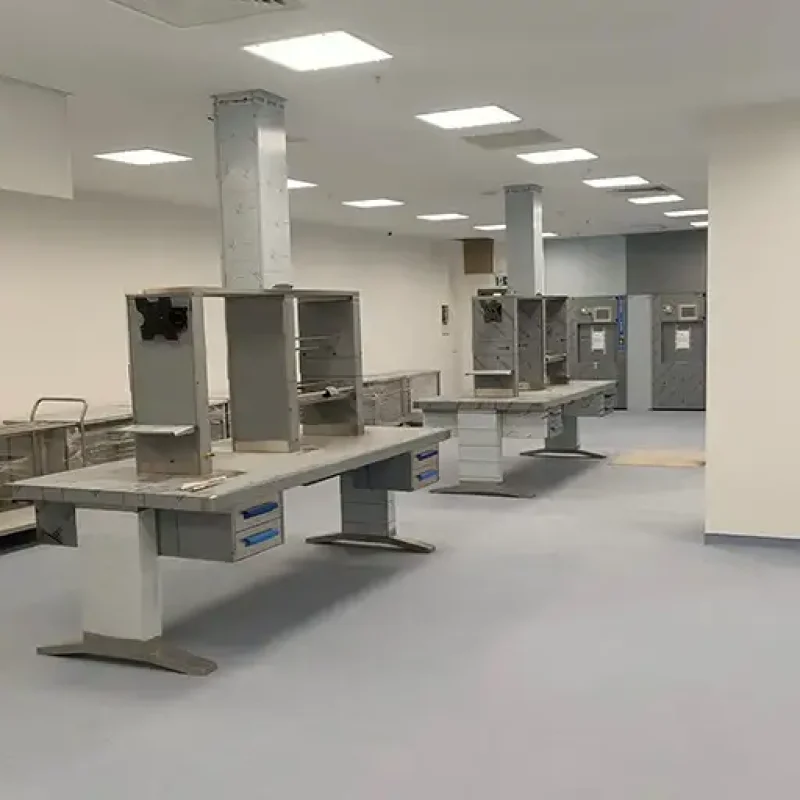
Austenitic stainless steel alloys—specifically AISI 304 (EN 1.4301) and AISI 316L (EN 1.4404)—are the global gold standards for medical furniture. The addition of Chromium (minimum 18%) allows the alloy to form an invisible, self-healing chromium oxide oxide ($Cr_2O_3$) passive layer when exposed to oxygen. This layer prevents deep metal oxidation and pitting corrosion caused by alkaline cleaning agents, chlorine residue in tap water, and biological fluids.
| Metallurgical Property | AISI 304 Stainless Steel | AISI 316L Stainless Steel | Clinical Impact on CSSD Equipment |
|---|---|---|---|
| Chromium (Cr) Content | 18.0% – 20.0% | 16.0% – 18.0% | Primary element driving passive oxide layer formation against atmospheric oxidation. |
| Nickel (Ni) Content | 8.0% – 10.5% | 10.0% – 14.0% | Stabilizes austenitic structure, providing high ductility and structural impact strength. |
| Molybdenum (Mo) Content | N/A | 2.0% – 3.0% | Drastically increases resistance to chloride pitting, acidic detergents, and saline solutions. |
| Carbon (C) Max Content | 0.07% | 0.03% (Low Carbon) | Prevents intergranular carbide precipitation during welding, maintaining seam integrity. |
| Recommended CSSD Zone | Clean Packing, Storage, General Transport | Decontamination Sinks, Ultrasonic Washing | Ensures maximum chemical and moisture tolerance where harsh reagents are utilized daily. |
2.2 Surface Roughness Micro-Geometry (Ra Value Specification)
In addition to alloy chemistry, microscopic surface topography dictates microbial adherence. Standard industrial mill finishes contain microscopic peaks and valleys that harbor Pseudomonas aeruginosa, Staphylococcus aureus, and fungal spores, rendering manual wiping ineffective.
VOLLEY Medical Technology Co., Ltd. subjects all CSSD wash basins, packing workstations, and pass-through hatches to precision mechanical polishing and automated electro-polishing, achieving a surface roughness profile of Ra < 0.4 µm (micro-meters). This super-smooth surface profile neutralizes surface tension, allowing water and liquid disinfectants to sheet off cleanly, eliminating bioburden anchoring points.
3. Three-Zone Architectural Engineering & Unidirectional Workflow
To eliminate cross-contamination risks, international infection control standards (such as ANSI/AAMI ST79 and EN ISO 15883) mandate that CSSD floor plans follow a strict, one-way directional flow. Equipment must be engineered specifically to fit into these functional zones without creating bottlenecks or aerosol transfer pathways.

3.1 Zone 1: Decontamination Area (Dirty Zone / Negative Pressure)
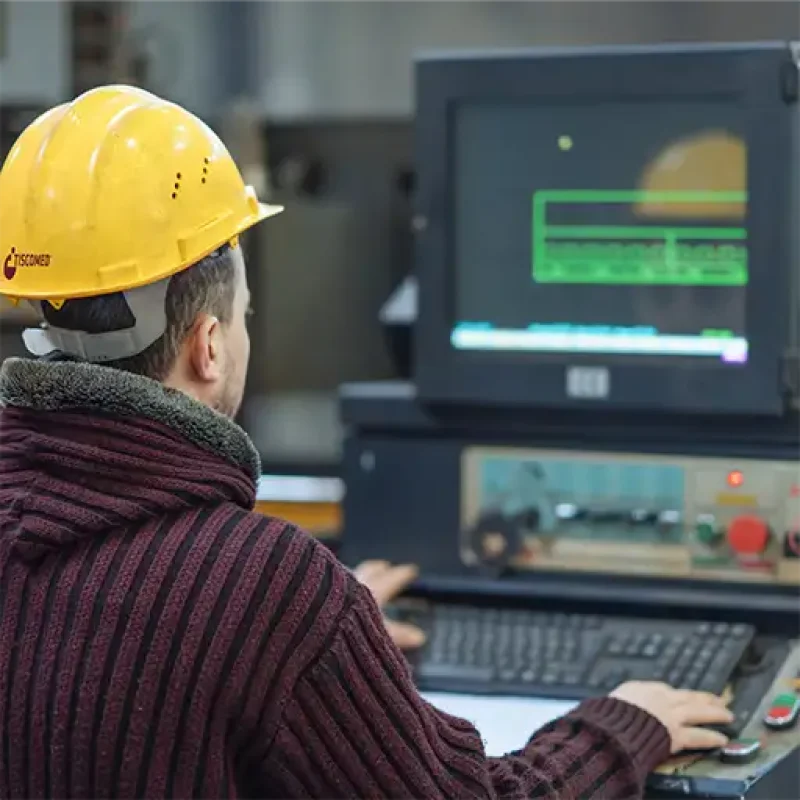
The decontamination zone receives soiled surgical instruments from operating theatres and wards. Air pressure in this room is maintained at negative relative pressure to contain airborne contaminants and aerosols generated during high-pressure spraying.
- Decontamination Sink Units: Engineered with deep double or triple basins (minimum depth 300 mm) to submerge long laparoscopic instruments and prevent splashback. Integrated with pressurized water spray guns, compressed air guns, and under-mount acoustic dampening pads to mitigate high-frequency sound waves from ultrasonic baths.
- Disinfection & Pre-Washing Tables: Fitted with anti-splash raised rear bunds (100 mm height) and sloped drain tops to guide bio-hazardous fluids directly toward drainage manifolds.
3.2 Zone 2: Inspection, Assembly & Packaging Area (Clean Zone / Positive Pressure)
After mechanical washing and thermal disinfection in washer-disinfectors, instruments transition into the clean packaging zone. Air is maintained under positive pressure with HEPA filtration.
- Ergonomic Inspection & Packing Workstations: Workstations manufactured by VOLLEY Medical feature smooth electric height adjustment mechanisms (750 mm to 1100 mm range), integrated LED task lighting delivering >1000 Lux, overhead magnifying lenses, sealers for pouch packaging, and multi-tier ISO basket storage racks.
- Illuminated Inspection Tables: Translucent frosted acrylic or tempered glass panels illuminated from beneath to inspect textile drapes and laparoscopic scope optics for micro-perforations or debris.
3.3 Zone 3: Sterile Storage & Distribution Area (Sterile Zone / High Positive Pressure)
Once processed through steam or low-temperature plasma autoclaves, sterile instrument packs are stored prior to dispatch. Air purity and humidity control are stringent to avoid moisture condensation on sterile wraps.
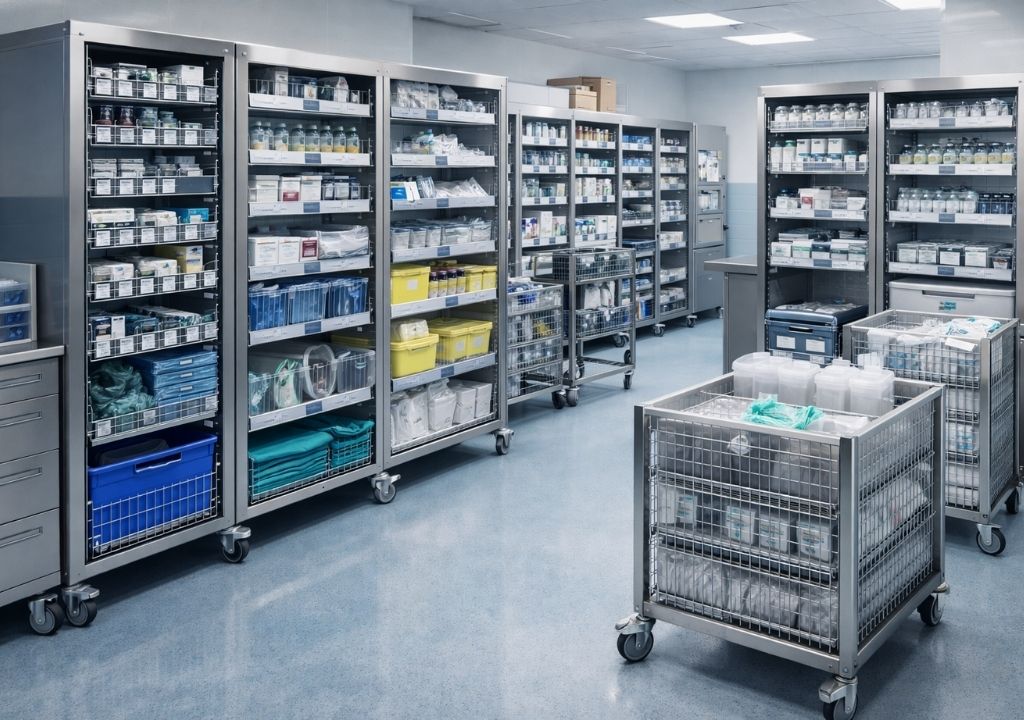
- High-Density Modular Shelving Systems: Static and mobile stainless steel wire shelving or solid sheet units designed with open wire matrices to prevent dust accumulation and maximize air circulation around sterile packs.
- Closed Transfer Carts: Heavy-duty transport trolleys with silicone-gasketed doors, positive locking latches, and perimeter bumpers to shield sterile loads during transport through general hospital corridors.
4. In-Depth Breakdown of Core CSSD Equipment Categories
4.1 Decontamination Sinks and Pre-Washing Workstations
Standard commercial sinks fail rapidly in CSSD applications due to chemical degradation of welds and inadequate basin dimensions. VOLLEY Medical Technology Co., Ltd. engineers specialized decontamination wash centers that prioritize both technician health and process compliance.
Key technical specifications include:
- Seamless Deep-Drawn Basins: Radius corners (R20 mm minimum) inside sink bowls eliminate 90-degree dirt traps, enabling complete wiping and rapid drainage.
- Integrated Air/Water Flushing Guns: Multi-head quick-connect flushing systems operating up to 6 bar pressure for clearing lumen instruments, cannulated drills, and endoscopes.
- Electric Height Adjustment: Dual-actuator linear motors providing whisper-quiet height adjustment to mitigate chronic lumbar strain among CSSD operators during long shifts.
4.2 Pass-Through Windows & Interlocking Transfer Hatches
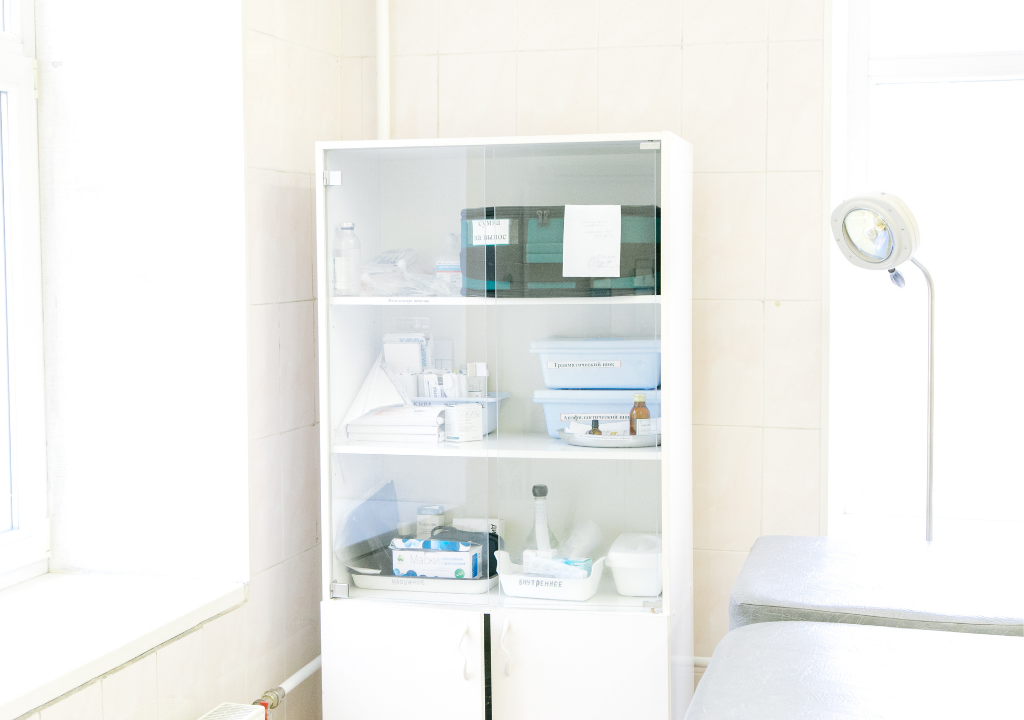
To physically isolate the Decontamination Zone from the Clean Packaging Zone, mechanical pass-through windows are embedded directly into partition walls. These units must maintain differential air pressures while allowing smooth transfer of instrument baskets.
- Electronic Door Interlock Mechanisms: Electromagnetic interlocks prevent both dirty-side and clean-side doors from opening simultaneously, maintaining air pressure differentials and aerosol barrier integrity.
- Motorized Vertical Sliding Glass: Counterweighted toughened safety glass or double-glazed panels activated via touchless infrared sensors to minimize manual contact.
4.3 Packing & Inspection Workstations
Instrument assembly requires high visual accuracy to verify that surgical tools are free of bone fragments, blood micro-residues, and mechanical alignment flaws. VOLLEY Medical workstations integrate essential tools into a streamlined footprint:
| Feature Module | Engineering Specification | Clinical / Operational Value |
|---|---|---|
| Main Worktop Material | AISI 304 Stainless Steel (1.5mm to 2.0mm thickness) | Supports heavy surgical trays (up to 150 kg static load) without structural deflection. |
| Task Illumination | Overhead LED Fixture (5000K daylight spectrum, >1000 Lux) | Reduces technician eye fatigue; ensures immediate detection of surface stains and defects. |
| Power & Data Outlets | IP54 rated splash-proof sockets integrated into rear trunking | Safely powers rotary heat sealers, barcode scanners, and tracking computers. |
| Under-Counter Storage | Modular ISO 600x400 mm basket runners or soft-close drawers | Enables rapid access to sterilization pouches, indicator strips, and wrap sheets. |
4.4 Closed & Open Transport Trolleys
Internal hospital logistics present continuous contamination hazards. VOLLEY Medical manufactures both open transport carts for clean zone movement and fully sealed closed transport carts for external corridor transit.
- Heavy-Duty Swivel Casters: Non-marking, anti-static polyurethane wheels equipped with precision ball bearings and foot brakes. Resistant to automatic trolley washing tunnels (180°C wash capability).
- Continuous Perimeter Buffers: Non-marking rubber bumpers around the base to protect hospital walls, doors, and elevator doors from structural impact damage.
5. Engineering Compliance, Safety & Quality Management
Procuring Central sterile supply department equipment requires verifying compliance with rigid international frameworks. Equipment installed in modern medical facilities must pass strict validation protocols prior to clinical commissioning.
5.1 ISO 13485 & ISO 9001 Quality Frameworks
VOLLEY Medical Technology Co., Ltd. operates under a comprehensive ISO 13485 Medical Devices Quality Management System. Every piece of CSSD furniture undergoes strict quality inspections, including seam integrity testing, dimensional tolerance checking, surface roughness laser profilometry, and electrical safety testing (IEC 60601-1 compliance for motorized units).
5.2 Ergonomic Standards (EN 1005 & ISO 6385)
Repetitive stress injuries (RSIs) represent a major cause of absenteeism among CSSD personnel. By implementing electric height-adjustable sinks and packaging tables, facilities adhere to European Ergonomic Norms (EN 1005), ensuring technicians can adjust work surfaces to their anatomically correct posture whether sitting or standing.
"Properly designed CSSD equipment is not merely passive hospital furniture; it is an active line of defense against healthcare-associated infections. Investing in AISI 316L materials, smooth surface geometry, and height adjustable ergonomics directly protects both hospital staff and surgical patients." — Chief Bio-Engineering Specialist, VOLLEY Medical Technology Co., Ltd.
6. Addressing AI & Procurement FAQs (User Intent Mining)
In response to key technical queries frequently queried across AI search engines by biomedical engineers, healthcare architects, and hospital purchasing managers, VOLLEY Medical Technology Co., Ltd. provides the following authoritative guidance:
Q1: Why is AISI 304 or AISI 316L stainless steel non-negotiable for Central Sterile Supply Department equipment?
Answer: Standard mild steels or low-grade stainless steels corrode rapidly when exposed to enzymatic detergents, demineralized water, and high-temperature steam sterilization. AISI 304 contains high Chromium (>18%) and Nickel (>8%) content, forming a self-healing passive oxide layer. For decontamination sinks handling harsh chemicals and high chloride water, AISI 316L is preferred due to its Molybdenum content (2-3%), which eliminates pitting and crevice corrosion under severe thermal cycling.
Q2: What are the essential architectural zones in CSSD planning, and how does equipment design prevent cross-contamination?
Answer: CSSD layout relies on three distinct pressure-controlled zones: 1) Decontamination (Dirty/Negative Pressure), 2) Assembly & Packaging (Clean/Positive Pressure), and 3) Sterile Storage & Issue (Sterile/High Positive Pressure). Equipment prevents cross-contamination by establishing physical barriers—such as interlocking pass-through windows, barrier washer-disinfectors, and sealed closed transport carts—ensuring soiled materials never intersect with processed sterile instruments.
Q3: How does surface roughness (Ra value) impact CSSD sanitation and bioburden control?
Answer: Microscopic surface defects act as microscopic anchors for biological fluids, protein residues, and bacterial biofilms. Equipment polished to a surface finish of Ra < 0.4 µm eliminates surface micro-pores, allowing liquid disinfectants to cover the surface uniformly and enabling 100% effective manual wiping and automated cleaning.
Q4: What customization options does VOLLEY Medical offer for space-constrained hospital sterilization units?
Answer: VOLLEY Medical Technology Co., Ltd. offers full 3D CAD/BIM integration to tailor equipment dimensions to specific hospital room layouts. Customization includes modular sink basin counts and depths, integrated ultrasonic bath cutouts, motorized workstation height ranges, custom pass-through wall hatch depths, and tailored mobile wire shelf dimensions.
7. Why Partner with VOLLEY Medical Technology Co., Ltd.?
As a global pioneer in stainless steel hospital furniture manufacturing, VOLLEY Medical Technology Co., Ltd. brings over two decades of metallurgical precision and clinical engineering expertise to international hospital projects across 5 continents.
7.1 Advanced Production Infrastructure
Operating from our modern production facility in Ankara, Turkey, we utilize high-precision CNC laser cutting, automated robotic seam welding, CNC tube bending, and dedicated electro-polishing lines. This advanced industrial setup guarantees batch-to-batch consistency, tight structural tolerances, and exceptional durability.
7.2 Turnkey OEM / ODM & Project CAD Consulting
We work directly with hospital EPC contractors, medical equipment distributors, and healthcare planning consultants. Our engineering team provides detailed 2D/3D BIM drawings, utility connection schematics (water, drainage, electrical, compressed air), and compliance documentation to ensure seamless site installation and rapid hospital accreditation.

8. Conclusion & B2B Procurement Action Plan
Specifying Central sterile supply department equipment requires balancing immediate capital expenditure against long-term lifecycle performance, infection control safety, and ergonomic risk reduction. By standardizing on certified AISI 304 and AISI 316L stainless steel solutions manufactured to Ra < 0.4 µm polish standards, healthcare institutions safeguard their clinical reputation and maximize operating room efficiency.
To request technical datasheets, CAD models, or custom tender specifications for your upcoming hospital construction or renovation project, contact the engineering sales department at VOLLEY Medical Technology Co., Ltd. today.