Knowledge & Industry Insights

Medical Furniture & Equipment Blog

Technical insights, product selection guides, and global hospital furniture standards from VOLLEY Medical Technology Co., Ltd.

0%

Choosing Anatomy dissection tables is not a cosmetic decision. The right table supports safe specimen handling, comfortable working positions, and efficient cleanup. A polished finish matters, but so do load capacity, drainage, access to utilities, and resistance to disinfectants. Small details count.

This guide compares table options by practical features rather than appearance alone. It considers fixed and mobile models, stainless-steel construction, sinks, faucets, storage, and ventilation compatibility. A table that suits a compact teaching lab may not meet the needs of a high-volume facility. Measure the room, check service connections, and confirm how each model will be cleaned before comparing prices.

Look closely at the working surface. Will it support the intended specimens without awkward reaching? Can staff move around it easily? Are seams and fittings simple to inspect? These questions can prevent costly mismatches. No single model fits every anatomy program. Even a strong specification sheet may leave out the daily frustrations users notice first.

A named expert quotation cannot be verified from the material provided, so this introduction does not invent one. The comparison that follows should prioritize documented specifications, manufacturer support, and feedback from actual lab users. Those sources offer a more reliable basis for choosing Anatomy dissection tables than a sales claim alone.
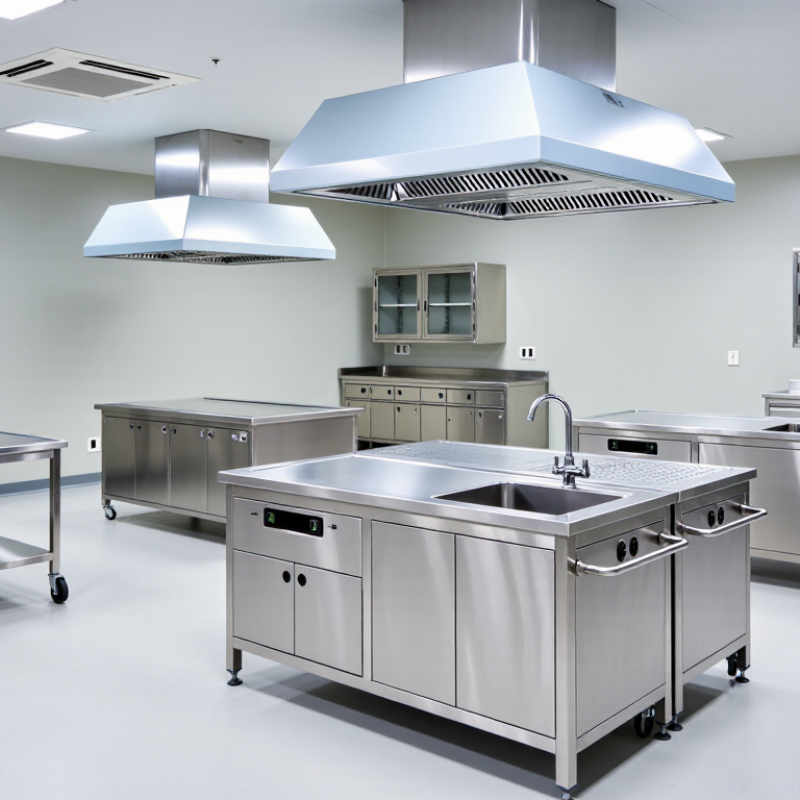
What Are the Top Anatomy Dissection Tables for Sale?

Anatomy Dissection Table Types: Fixed, Mobile, Downdraft, and Gross-Anatomy Models

When comparing anatomy dissection tables for sale, start with how the room is used.

Fixed tables suit dedicated laboratories, where a stable frame and predictable layout matter. Mobile tables use locking casters, making room changes easier, but check that the brakes hold firmly on your floor. A table that shifts during setup is a real nuisance.

Downdraft models draw air through the work surface and need a compatible extraction system. Confirm airflow requirements, filter access, and cleaning procedures with the supplier; the table alone cannot ensure suitable ventilation.

Gross-anatomy models are generally designed for larger specimens and extended teaching sessions. Look closely at usable surface area, drainage, materials, and weight capacity. Stainless steel is common because it tolerates frequent cleaning, but seams and fittings still need attention. No single type is best for every lab.

Tips

Measure doorways and floor space before ordering, then compare the table dimensions with your room plan. Ask for load limits, installation details, and maintenance guidance in writing. If several people will use the table, test its working height and controls with gloves on. Small details matter. I’d also leave room in the budget for installation; it is easy to overlook.

Compare Table Dimensions, Load Ratings, Drainage, and Published Specifications

When comparing anatomy dissection tables for sale, record usable surface length and width, overall footprint, and working height. A 72-by-30-inch top, for example, needs enough surrounding clearance for staff and equipment. Check whether listed dimensions include rails, a drain basin, or raised edges. Small differences matter when fitting a table into an existing room.

Load ratings need careful reading. A stated capacity may describe evenly distributed, stationary weight, not concentrated pressure during routine use. Compare the rating with the intended workload, and ask whether it includes accessories. That matters. Published specifications should identify the test basis or clarify how the capacity was determined. If they do not, request written confirmation rather than treating a large number as proof of suitability.

Drainage details can be easy to overlook. Check the drain location, outlet size, basin depth, and whether the surface slopes toward the outlet. Confirm that the connection matches the room’s plumbing. Review technical drawings and manuals, not just product summaries. A polished brochure can still leave gaps. Published material may omit useful details, so verify dimensions, load limits, and drainage requirements with the seller before purchase.

Formaldehyde Ventilation Benchmarks: OSHA’s 0.75-ppm PEL and 2-ppm STEL

What Are the Top Anatomy Dissection Tables for Sale?

Formaldehyde Ventilation Benchmarks: OSHA’s 0.75-ppm PEL and 2-ppm STEL

A dissection table should support source capture, not merely look substantial. OSHA’s formaldehyde standard sets a permissible exposure limit of 0.75 ppm as an eight-hour time-weighted average. Its short-term exposure limit is 2 ppm over 15 minutes. The action level is 0.5 ppm, averaged across eight hours. These figures are useful benchmarks when comparing ventilated tables, though local requirements may differ.

Look for exhaust openings positioned to draw vapors away from the user’s breathing zone. Check whether airflow remains effective with specimens, trays, and tools in place. Small gaps matter. A catalog airflow number alone cannot show how a table performs in a working room. Ask for test conditions, airflow measurements, and maintenance requirements. Exhaust should discharge safely, and replacement air should not disrupt capture.

Verification matters more than appearance. Formaldehyde monitoring under representative working conditions can reveal exposures that a visual airflow check misses. A qualified safety professional can assess sampling results and ventilation performance. Do not guess. Even a well-designed bench may perform poorly if filters, ducts, or exhaust systems are neglected. The uncomfortable truth is that a purchase specification cannot guarantee safe exposure; measurement and upkeep complete the picture.

Safety Features and OSHA’s Bloodborne Pathogens Standard, 29 CFR 1910.1030

A dissection table should support the exposure-control practices required by OSHA’s Bloodborne Pathogens Standard, 29 CFR 1910.1030. The rule requires employers to maintain a written exposure control plan and review it at least annually. It also requires appropriate protective equipment, training, housekeeping, and access to hepatitis B vaccination for employees with occupational exposure. Check that the table has a stable frame, a smooth, nonporous work surface, and corners that are easy to clean. A hands-free drain and splash control may also help reduce contact with contaminated fluids. They do not replace required procedures.

The risk deserves attention. A CDC report estimated about 385,000 percutaneous injuries among hospital-based healthcare workers each year; that estimate is not specific to anatomy laboratories. Still, it shows why sharps handling and cleanup deserve careful planning. OSHA requires contaminated work surfaces to be cleaned and decontaminated after procedures and after spills. For a purchase, ask for written cleaning guidance, materials compatibility, and the table’s rated load capacity. Confirm staff can reach controls without leaning across specimens. Small details matter. A good table helps, but it cannot fix a weak exposure-control plan. The fit between equipment, training, and daily practice is easy to underestimate.

How to Choose a Table by Lab Capacity, Cleaning Needs, and Utility Data

Choosing an anatomy dissection table starts with the lab, not the catalog. Count the students who will work around each table, then allow enough elbow room for instruments and trays. A unit that looks spacious in a showroom can feel crowded during a practical. Check its working height, usable surface area, and rated load, including specimens and equipment. Ask whether the table supports your usual teaching setup or only a smaller demonstration group.

Cleaning demands matter every day. Look for smooth, nonporous surfaces, sealed joints, and removable parts that staff can reach and clean without awkward gaps. Confirm which cleaning agents the materials can tolerate; repeated use of unsuitable products may dull or damage finishes. Review utility data before buying, too. Note electrical requirements, water or drainage connections, ventilation needs, and installation clearances. Have facilities staff verify these details against the room’s available connections. Small omissions can delay setup.

Tips: Bring a room plan and a typical class roster when comparing options. Ask for dimensions, load limits, cleaning instructions, and utility specifications in writing. If possible, inspect a sample unit with a tray and tools placed on it. A table may meet every listed requirement and still feel inconvenient in your lab. That is worth questioning.

FAQS

How do I choose between fixed and mobile dissection tables?

Fixed tables suit dedicated laboratories and provide a stable setup. Mobile tables use locking casters, but test the brakes on your actual floor.

What should I check before buying a mobile table?

Check that its brakes hold firmly and that the table fits through doorways. It depends.

What does a downdraft table require?

It needs a compatible extraction system. Confirm airflow needs, filter access, and cleaning steps with the supplier.

When is a gross-anatomy table useful?

It is generally designed for larger specimens and longer teaching sessions. Check surface area, drainage, materials, and load capacity.

Is stainless steel easy to maintain?

It commonly tolerates frequent cleaning, but seams and fittings still need attention. Worth checking twice.

What safety features should a table have?

Look for a stable frame, smooth nonporous surfaces, and corners that are easy to clean. Hands-free drains and splash controls may help limit contact with fluids.

Can a table replace exposure-control procedures?

No. Not by itself. Equipment supports safe practices, but staff still need suitable training, protective equipment, and cleaning procedures.

What details should I confirm before ordering?

Measure doorways and floor space, then compare them with the table dimensions. Ask for load limits, installation details, and written cleaning guidance. I might be overthinking it, but installation costs are easy to overlook.

Conclusion

Anatomy dissection tables are available in several configurations, including fixed, mobile, downdraft, and gross-anatomy models. Each design serves different teaching and laboratory needs, so compare table dimensions, rated load capacity, drainage arrangements, and published specifications before selecting a unit. For labs that handle preserved specimens, ventilation is an important consideration: OSHA’s formaldehyde limits include an 8-hour permissible exposure limit (PEL) of 0.75 ppm and a 15-minute short-term exposure limit (STEL) of 2 ppm. Confirm that the proposed setup supports appropriate exposure controls and fits the room’s ventilation system.

Safety and day-to-day practicality matter as much as table style. Review features that support safe handling and cleaning, and consider relevant procedures under OSHA’s Bloodborne Pathogens Standard, 29 CFR 1910.1030. To choose effectively, assess expected lab capacity, cleaning routines, available space, and the utility connections required. Matching these factors to verified product data can help a lab select a table that suits its work without relying on appearance alone.

Charlotte

Charlotte

Charlotte is a seasoned marketing professional with extensive expertise in the company's offerings. With a keen eye for detail and a passion for innovation, she plays a pivotal role in enhancing the brand's visibility and strengthening its market position. Charlotte frequently updates the company......