Insights & Updates

Medical Industry Blog

Expert articles on stainless steel hospital equipment, clinical hygiene standards, and healthcare facility solutions.

0%

The surgical field is ever-evolving, yet one constant remains: the critical role of operating room equipment. These tools are the backbone of any surgical procedure, influencing both outcomes and patient safety. From surgical lights to anesthesia machines, the right equipment ensures precision and efficiency during operations. Without it, even the most skilled surgeon may struggle to achieve desired results.

Moreover, the effectiveness of operating room equipment extends beyond technical aspects. Surgeons rely heavily on these tools to minimize risks and enhance recovery times. Therefore, investing in high-quality equipment becomes not just a choice but an obligation for medical facilities. However, challenges arise when outdated instruments compromise performance. These shortcomings require constant evaluation and adaptation to maintain surgical standards.

In conclusion, the importance of operating room equipment cannot be overstated. It stands as both a facilitator and a safeguard in the operating theater. As the healthcare landscape continues to shift, dedicated attention must be focused on equipping surgical teams with what they truly need for success.
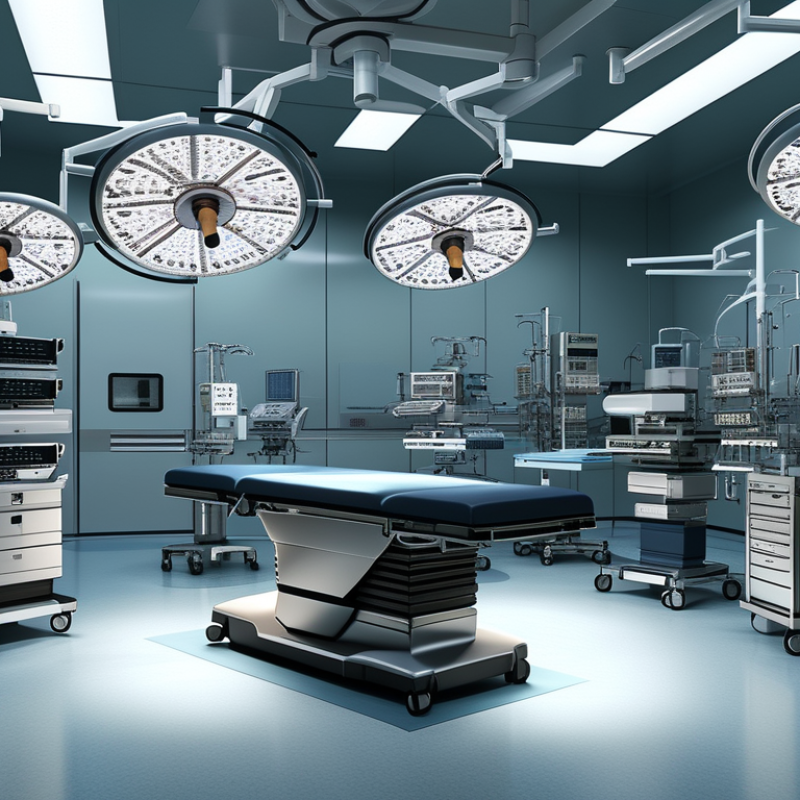
Why is Operating Room Equipment Essential for Surgical Success?

Importance of Operating Room Equipment in Modern Surgery

Operating room equipment plays a pivotal role in the success of surgeries. Each tool and device contributes to the overall efficiency of surgical procedures. Surgeons rely on advanced technology to ensure precision. High-definition cameras, for example, provide a clear view of the surgical site. Good visibility is crucial for minimizing errors. The equipment must be easy to use and dependable.

Patient safety is enhanced through modern equipment. Sterile instruments reduce infection risks. Anesthesia machines support patient comfort while ensuring vital signs are monitored closely. Yet, equipment must be regularly checked for functionality. Faulty devices can lead to complications, creating a need for ongoing evaluation and staff training. This aspect of operational excellence cannot be overlooked.

Healthcare professionals must stay updated with the latest advancements. Continuous education helps teams understand new technologies. However, some facilities may lack resources for this training. The challenge lies in balancing innovation with practicality. Each piece of equipment should be assessed for its effectiveness in the surgical setting. Making informed choices leads to improved patient outcomes.

Operating Room Equipment Impact on Surgical Outcomes

Key Types of Essential Operating Room Equipment

Operating room equipment plays a pivotal role in the success of surgical procedures. Essential tools create a safe environment for patients and surgeons alike. Among the key types of operating room equipment are surgical tables, lights, and monitoring devices. Each serves a unique purpose, ensuring efficiency and precision during operations.

Surgical tables are engineered for versatility. They must support various positions and accommodate different surgical approaches. Studies reveal that a well-designed surgical table can improve access and visibility, which enhances surgical outcomes. Operating room lights are another critical component. They provide bright, shadow-free illumination, allowing surgeons to see details clearly, especially during complex procedures. According to recent data, inadequate lighting increases the risk of surgical errors by up to 30%.

Monitoring devices cannot be overlooked. They track vital signs, ensuring patient safety throughout the procedure. Continuous monitoring provides real-time data, allowing the surgical team to react promptly to any changes. However, the presence of outdated technology in some facilities raises concerns. Reports indicate that hospitals using old monitors face an increased likelihood of complications. Addressing these issues is vital for improving surgical success rates and patient safety.

Impact of Equipment Quality on Surgical Outcomes

High-quality operating room equipment plays a critical role in surgical outcomes. When surgeons operate, the tools must function flawlessly. Any malfunction can lead to complications. Poor-quality instruments may cause delays or increase risks during surgery. Surgeons rely on dependable equipment to ensure precision. This reliance is not just common sense; it significantly impacts patient safety.

Tips for maintaining equipment include regular inspections and ensuring sterilization. Inspecting tools before each use helps identify wear or defects. Proper sterilization prevents infection, a major risk factor in surgeries. Additionally, investing in staff training for equipment use enhances safety. Staff should understand equipment functions.

Subpar equipment can lead to surgical errors. These mistakes may affect recovery and lead to longer hospital stays. Reflecting on past surgeries can reveal equipment-related issues. Continuous feedback is essential for improvement. Striving for excellence in surgical tools is a must. Quality equipment fosters trust in the surgical process.

Technological Advances in Operating Room Equipment

Advancements in operating room equipment play a crucial role in enhancing surgical success. Modern surgeries rely heavily on sophisticated tools that increase precision and efficiency. Innovations such as robotic-assisted surgery systems allow surgeons to perform complex procedures with minimal invasiveness. These systems provide a 3D view of the surgical site and superior maneuverability.

Tips for optimizing surgical outcomes include investing in training for surgical staff on these new technologies. Familiarization with equipment can significantly reduce complications. Regular maintenance of devices is essential. Ensure that all equipment functions correctly before the procedure to prevent any unforeseen delays.

Technological advancements also streamline communication within the operating room. Digital systems facilitate real-time data-sharing among the surgical team. This practice minimizes errors and enhances decision-making during critical moments. Remember that even with the best tools, human oversight is necessary. Continuous evaluation of surgical practices is vital to ensure improvement and adaptation to new methods.

Future Trends in Operating Room Equipment for Enhanced Surgery

The operating room is a hub of innovation in the medical field. Future trends are shifting towards enhanced equipment designed to improve surgical outcomes. Robotics and artificial intelligence are emerging as game-changers. These advancements allow for greater precision and less invasiveness. Surgeons can perform complex procedures with improved dexterity. This not only boosts recovery time but also minimizes complications. Enhanced imaging technologies are also playing a crucial role. They provide real-time visualizations, helping teams make informed decisions during surgery.

Tips for adopting new technologies: Evaluate the training needs for your team. Ensure that everyone feels comfortable with new devices. Regularly assess the effectiveness of equipment. Are they meeting the needs of your surgical procedures? Continuous feedback loops are vital for improvement. Consider integrating patient-centered designs into your workflow. Does the equipment enhance the patient experience?

As we look ahead, adaptability will be key. The medical field is ever-evolving, and staying updated is essential. There’s always room for reflection. Are we fully utilizing the potential of our current tools? What can be improved? Making informed choices can lead to better surgical experiences and outcomes.

Why is Operating Room Equipment Essential for Surgical Success? - Future Trends in Operating Room Equipment for Enhanced Surgery

Equipment Type Purpose Benefits Future Trends
Surgical Tables Support patients during surgery Enhanced ergonomics and positioning Integration with imaging systems
Surgical Instruments Perform specific surgical tasks Precision and reliability in procedures Smart instruments with sensors
Anesthesia Machines Administer anesthesia safely Improved patient monitoring AI-assisted dosage adjustments
Endoscopy Equipment Visualize internal structures Minimally invasive procedures Enhanced imaging technologies
Operating Room Lighting Illuminate the surgical site Improved visibility and focus Adaptive lighting systems

FAQS

: What is the role of operating room equipment?

: It creates a safe environment for both patients and surgeons during surgeries.

Why are surgical tables important?

They support various positions and enhance access, improving surgical outcomes.

What function do operating room lights serve?

They provide bright, shadow-free illumination for better visibility during complex procedures.

What risks arise from inadequate lighting?

It may increase surgical errors by up to 30%, highlighting the need for proper lighting.

How do monitoring devices ensure patient safety?

They track vital signs and provide real-time data during surgery to address any changes.

What concerns arise from outdated technology in hospitals?

Old monitors can lead to complications, emphasizing the need for updated equipment.

What are tips for maintaining operating room equipment?

Regular inspections, proper sterilization, and staff training enhance functionality and safety.

How can poor-quality instruments affect surgery?

They may cause delays or complications, impacting patient recovery and safety.

Why is staff training important for equipment use?

Understanding equipment functions can significantly enhance safety during surgical procedures.

What should be considered for improving surgical outcomes?

Continuous feedback on equipment performance can reveal issues and foster improvements.

Conclusion

Operating room equipment is a cornerstone of modern surgery, playing a critical role in ensuring successful surgical outcomes. The importance of high-quality and reliable equipment cannot be overstated, as it directly influences the precision, safety, and efficiency of surgical procedures. Essential operating room equipment includes a variety of tools and technologies, from surgical instruments and anesthesia machines to advanced imaging devices, all designed to enhance the capabilities of surgical teams.

As technology continues to evolve, advancements in operating room equipment are fostering improved surgical techniques and patient care. Future trends suggest a shift towards more integrated and automated systems, which promise to streamline workflows and enhance the overall surgical experience. By investing in state-of-the-art operating room equipment, healthcare facilities can significantly improve surgical outcomes and patient safety, ultimately contributing to the advancement of modern medicine.

Amelia

Amelia

Amelia is a dedicated marketing professional with a profound expertise in the company’s product offerings. With a keen understanding of market dynamics and consumer needs, she plays a pivotal role in crafting compelling narratives that highlight the unique features and advantages of our services.......